TL;DR
- Fresh paint in neutral tones is still one of the best-paying upgrades out there
- Get rid of rust and mould, it instantly ages a place
- Swap out tired cabinet handles, cheap and it works
- A proper deep clean matters more than people think
- Better lighting genuinely changes how a room feels
- Decluttering makes small units feel a lot bigger than they are
- Staging can push your final price up more than it costs
- A good smell during viewings sticks with buyers
- Skip the expensive stuff, big renovations rarely pay for themselves
- Start early, don’t scramble the night before your first viewing
Everyone wants the same thing when they sell a home, the highest price someone’s actually willing to pay. A lot of sellers figure a good agent handles all of that. But honestly, your home does most of the talking before your agent even opens the door. Maximising your home value doesn’t mean gutting the place and spending a fortune either. Most of the stuff that actually changes a buyer’s mind costs next to nothing, sometimes literally nothing.
Here are 12 hacks we walk clients through all the time before a listing goes live. Same ones we’d use ourselves.
Why Even Bother Before You Sell?
Buyers make up their minds fast, sometimes in the first couple minutes walking through the door. If a home looks cared for, buyers assume the plumbing and wiring have probably been cared for too, even if that’s not really how it works. A tired-looking place does the opposite, plants doubt, even when nothing’s actually wrong. Small, cheap fixes close that gap.
1. Repaint the Walls
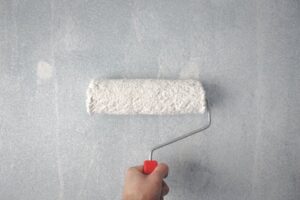
Fresh paint is still one of the cheapest ways to make a place look looked-after. Buyers read it as “someone cared for this,” even if literally nothing else has changed. Depending on what the paint job costs versus what it adds to your final price, you’re often looking at a return of 50% to 500%.
Stick with neutral tones, white, soft grey, warm beige, so more buyers can picture their own stuff in there. And you don’t need to redo the whole unit. Just the living room and kitchen, the two spots people actually linger in, is usually enough.
2. Get Rid of Rust and Mould
Rust and mould age a home fast, even one that’s structurally fine. Rust shows up on doorknobs, hinges, pipes, that kind of thing. Skip replacing the whole fixture, a rust converter brushed on works fine, or soak the metal in white vinegar for a few hours then scrub it off. Baking soda mixed with water into a paste and left to sit does the job too.
Mould’s worth taking seriously, not just for looks. A mould remover or fresh sealant around the bathroom and kitchen edges makes the whole space read newer instantly. And people really will pay more for something that feels new.
3. Swap the Cabinet Hardware

Replacing whole cabinets is expensive, and honestly, you rarely need to. Old, tired doorknobs and handles are one of the cheapest swaps around, most hardware stores sell simple options you can screw in yourself in an afternoon. Small change, but it makes the whole kitchen or wardrobe look updated even though the boxes underneath are the same ones from years ago.
While you’re at it, clear out bulky furniture you don’t need, an extra coffee table, an old desk, whatever’s crowding the room. Fewer things almost always makes a space feel bigger, not smaller.
4. Actually Deep Clean the Place
This is the one sellers underestimate most. Before any viewing, the kitchen, floors, and bathrooms need a real clean, not a quick tidy. Oxygen bleach works well on grout, or mix baking soda, vinegar, and lemon juice, leave it 15 minutes, then scrub.
Vinyl floors do well with hot water and white vinegar. Marble or granite countertops need their own specific cleaner, then a microfibre wipe and a spray sealer. Not glamorous work, but it’s genuinely one of the cheapest, highest-impact things you can do before someone walks through.
5. Fix the Lighting

Lighting changes how a buyer feels about a place more than people realize. Put in fresh bulbs for the bathroom and kitchen, and avoid overly warm, dim lighting, it can make rooms feel smaller and more closed off than they actually are. Got any art on the walls? A small spotlight on one or two pieces adds a nice touch.
Wiring and switches matter too, buyers do notice these small things during a viewing, so it’s worth double-checking everything actually works before people show up.
6. Clear Out the Clutter
Storage is a real concern for buyers here, Singapore units run small to begin with. Clutter doesn’t just look messy, it makes a place feel smaller than it actually is. Go through your stuff properly. Keep what you need, tuck the rest away neatly.
If you own a lot, a short-term storage rental just for the viewing period is worth the small cost. One tip worth planning for: line up your laundry days with your agent’s viewing schedule so you’re not hanging wet clothes out when buyers walk through.
7. Consider Home Staging
Staging, arranging furniture and decor to show the place at its best, tends to actually lift your final price. Costs more than the other stuff here, but usually pays for itself, staged homes have sold for as much as 23% above their original listing price. If your unit’s empty right now, or your furniture’s looking dated, this is genuinely worth it, especially for pricier units.
8. Make It Smell Good

Smell hits people immediately, buyers notice it the second they walk in. A musty or off smell, often from pets or hidden mould in carpets or damp corners, creates an instant bad impression, even if everything else looks great.
Got a garbage disposal? Run ice, lemon slices, and a bit of bleach through it to clear built-up odour. Light a candle 30 to 60 minutes before a viewing, put diffusers in the bathroom and living room, maybe some soft music in the background. Switch the aircon on ahead of time too, and if you’ve got pets, take them out for a walk while people are looking around.
9. Know What to Skip
Not every upgrade actually pays off. Full kitchen or bathroom renovations rarely earn back their cost, especially on a place you’re about to sell, not live in. Bold, personal choices, an accent wall, unusual fixtures, weird finishes, can actually shrink your buyer pool instead of growing it. The rule of thumb: spend on things that help first impressions broadly, paint, cleanliness, lighting, decluttering, and skip anything pricey and overly personal that a buyer would probably just rip out anyway.
10. Time It Right
Start a few weeks before your first viewing, not the night before. Paint needs time to dry and lose that fresh smell. Deep cleaning holds up better with a week or two of buffer before back-to-back viewings. Staging needs setup time too, or it just looks rushed. Give yourself room so you’re not juggling contractors, cleaners, and your agent’s schedule all at once.
A Word From SG Luxury Condo
Maximising your home value doesn’t take a big renovation budget. It takes knowing which small, cheap changes actually shift what a buyer thinks, and which ones aren’t worth your money. Fresh paint, a real clean, better lighting, less clutter, these cost relatively little and genuinely make a difference at viewing.
If you’re getting ready to list and want a second opinion on which upgrades are actually worth your time, SG Luxury Condo is happy to walk through it with you. Our property consultation sessions cover this kind of pre-sale planning, and our guide on selling your home fast in Singapore is worth reading too. You’re also welcome to browse our full range of luxury condos for sale in Singapore if you’re upgrading right after your sale.