10 Questions to Ask Before Buying Your First Condominium in Singapore
Categoriesarticles

10 Questions to Ask Before Buying Your First Condominium in Singapore

TL;DR: Before buying your first condominium, work through these ten questions: freehold or leasehold, EC or private condo, can you actually afford it once every cost is counted, what’s your exit strategy, how might the surrounding area change, is this for own stay or investment, what’s the developer’s track record, how much space do you genuinely need, are you actually eligible, and have you lined up a lawyer and financing. Skipping any one of these tends to be the thing people regret two or three years in, not the unit itself.

Excited to finally buy your first condominium? That’s genuinely one of the best feelings in this whole process, right up until the actual decisions start piling up. Freehold or leasehold. EC or private. New launch or resale. Before you rush off to the next showflat and put down a booking fee, it’s worth pausing on a proper set of questions to ask before buying your first condominium, because getting these right upfront saves you from a much more expensive lesson later.

This is an expanded update to our earlier piece, which covered three of these questions well but left out a fair bit that first-time buyers genuinely need to think through. Here’s the fuller set of questions to ask before buying your first condominium.

1. Freehold or 99-Year Leasehold?

Your preferred location often decides this one for you before you even get a choice. Some areas, Punggol, Sengkang, Tampines in the east, Jurong West, Jurong East, and Choa Chu Kang in the west, have no freehold condominiums at all. Anything built above an MRT station or on reclaimed land, like developments around Marina Bay or above Bukit Panjang MRT, is state land and only ever comes as 99-year leasehold.

Freehold stock, by contrast, clusters heavily in traditional prime districts 9, 10, and 11, Orchard Road, Holland Road, Draycott Park, and Nassim Road among them. Less than 50% of Singapore’s private housing is freehold overall, so if tenure matters a lot to you, your location options actually narrow fast.

Sims-Villa-SG-Luxury-Condo-

2. Executive Condominium or Private Condominium?

Once location’s roughly sorted, this is usually the next fork. Private condos are fully privately owned, with common facilities co-owned by all unit holders. ECs sit somewhere between public and private housing, developed by private developers but with land costs subsidised by the government, which is why ECs typically run about 25% cheaper than comparable private condos.


Executive Condominium

Private Condominium

Price

Roughly 25% below comparable private condos

Full market price

Minimum Occupation Period

5 years before you can sell or rent out the whole unit

None

Eligibility

Singaporean, income ceiling applies, first-timer priority

Open to citizens, PRs, and foreigners

CPF Housing Grant

Up to $40,000 for eligible first-timers

Not applicable

Long-term value

Privatises after 10 years, becomes fully private

Value doesn’t diminish due to MOP restrictions

If you’re buying primarily as a family home and meet the income and eligibility criteria, ECs offer a genuinely attractive entry point. If you’re buying for investment flexibility, no MOP, no income ceiling, easier to sell or rent immediately, private condos usually make more sense.

3. Can You Actually Afford It, Once Everything’s Counted?

This is where a lot of first-time buyers underestimate the real number. Beyond the sticker price, budget for:

  • Buyer’s Stamp Duty, tiered from 1% on the first $180,000 up to 6% on amounts above $3 million
  • Additional Buyer’s Stamp Duty, if you already own property or fall outside the 0% first-property citizen rate
  • Downpayment, minimum 5% cash if you’re under 65 with a loan tenure under 30 years, rising to 10% cash if you’re older or the tenure stretches longer
  • Legal fees, typically $2,000 to $4,000
  • Agent commission, not regulated by law, so always confirm the rate with your agent upfront, typically 1% to 2% if you’re the seller

Private condos can’t be paid for using CPF housing grants, and there’s no HDB subsidy involved, so your financing options are essentially cash plus a bank loan. ECs, on the other hand, may qualify eligible first-timers for up to $40,000 in CPF Housing Grants. Our mortgage affordability calculator works out your realistic loan ceiling based on your actual income and existing debt before you commit to anything.

4. What’s Your Exit Strategy?

This is one of the questions to ask before buying your first condominium that a lot of buyers skip entirely, mostly because it feels premature when you haven’t even bought yet. SG Luxury Condo brings this up early with every first-time client for exactly that reason. Knowing roughly whether you’re planning to hold for 3 years, 10 years, or indefinitely genuinely shapes which unit and tenure suits you best. A short hold makes Seller’s Stamp Duty a real risk if you sell within 4 years. A longer hold makes tenure and lease decay matter more, since a 99-year lease loses value more noticeably once you’re past the 60-year mark.

5. How Might the Surrounding Area Change?

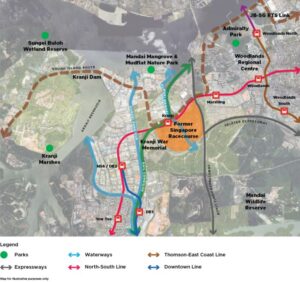
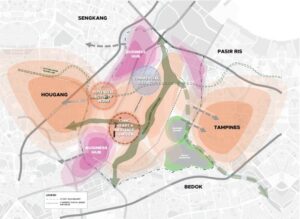
A condo doesn’t exist in isolation from its neighbourhood. Check the URA Master Plan for any confirmed rezoning, upcoming MRT lines, or major developments planned nearby, these can meaningfully shift both your living experience and the property’s future resale value, for better or worse.

6. Is This for Own Stay or Investment?

Your answer here changes almost every other decision on this list. Buying to live in favours layout, school proximity, and personal lifestyle fit over pure yield numbers. Buying purely as an investment shifts the priority toward rental demand, unit size, and how quickly you could resell if your plans change. Trying to optimise for both at once, without acknowledging the trade-off, is one of the more common first-time buyer mistakes.

7. What’s the Developer’s Track Record?

Especially relevant if you’re eyeing a new launch. A developer’s history on past projects tells you a lot about build quality, how promptly defects get resolved after TOP, and how well the estate is likely to be managed for years afterward. Don’t rely on brand name alone, even reputable developers occasionally deliver a disappointing project through a subpar contractor.

8. How Much Space Do You Actually Need?

It’s tempting to buy for today’s needs alone, but a first condominium often needs to accommodate a few years of life changes, a growing family, a work-from-home setup, ageing parents visiting more often. Weigh this against your budget honestly, since overbuying on space you won’t use for years ties up capital that could otherwise go toward a better location or a stronger investment.

9. Are You Actually Eligible to Buy?

A basic but easy-to-overlook check. Confirm your citizenship or PR status against the specific property type you’re considering, EC eligibility comes with an income ceiling and first-timer requirements that private condos don’t have. If you’re a foreigner, confirm which property types are open to you without special approval.

person-holding-book-with-calculator-on-table

10. Have You Lined Up a Lawyer and Financing?

Getting an In-Principle Approval from a bank before you start seriously viewing units tells you your real budget, not a hopeful estimate. Engaging a conveyancing lawyer early means you’re not scrambling to find one once you’ve already secured an Option to Purchase with a tight exercise deadline looming.

A Word From SG Luxury Condo

Buying your first condominium is genuinely one of the biggest financial decisions most people make, and it’s not something to rush through on excitement alone. SG Luxury Condo has walked enough first-time buyers through this exact list to know it works. Working through these ten questions to ask before buying your first condominium properly, tenure, property type, affordability, exit strategy, location, purpose, developer, space, eligibility, and financing, before you fall in love with a specific unit puts you in a far stronger position than most first-time buyers find themselves in.

If you’d like to go through this list with someone who does it every day, SG Luxury Condo is happy to walk you through it. Our property consultation sessions cover exactly this kind of first-time buyer groundwork, and our guide on how to avoid ABSD legally is worth a read if you already own property elsewhere. You’re also welcome to browse our full range of luxury condos for sale in Singapore once you’ve worked through your priorities.

Advanced Heading

Frequently Asked Questions

What's the most important question to ask before buying a first condominium?

Affordability, once every cost is counted, not just the downpayment. Stamp duties, legal fees, and ongoing maintenance catch a lot of first-time buyers off guard if they haven’t budgeted properly.

It depends on your objective. ECs suit eligible families buying for own stay, thanks to the lower entry price and CPF grants, though they come with a 5-year Minimum Occupation Period. Private condos suit buyers wanting immediate flexibility to sell or rent, with no MOP or income ceiling.

Not necessarily. Freehold carries long-term appeal and no lease decay, but it’s concentrated in prime districts and comes at a premium. Leasehold properties in well-connected areas can perform just as well, especially over a shorter holding period.

Generally a minimum of 5% in cash if you’re under 65 with a loan tenure under 30 years, plus separate cash for stamp duties and legal fees. Budget conservatively rather than assuming the bare minimum will cover everything.

Yes, significantly. It changes what you should prioritise, layout and lifestyle fit for own stay, versus rental yield and resale liquidity for investment. Trying to satisfy both without acknowledging the trade-off often leads to a compromised choice.

A developer’s history reflects build quality and how well an estate is managed over time, both of which affect your day-to-day living experience and the property’s long-term value, especially relevant for new launches.

Yes, it’s one of the easiest ways to spot future changes, new MRT lines, rezoning, upcoming developments, that could affect both your living experience and the property’s resale value down the road.

Eligibility depends on citizenship, an income ceiling, and first-timer status under HDB rules. Confirm your specific eligibility before falling in love with a unit, since EC requirements are notably stricter than private condo purchases.

Highly recommended. It tells you your actual borrowing capacity rather than a rough guess, which prevents the frustrating scenario of falling for a unit you can’t actually finance.

You risk choosing a tenure or unit type that doesn’t suit your actual timeline, potentially exposing you to Seller’s Stamp Duty if you need to sell earlier than planned, or holding a rapidly depreciating leasehold asset longer than intended.

Property Investment Singapore
Categoriesarticles

Property Investment Singapore: What the Actual Numbers Say (2026 Update)

TL;DR: Property investment in Singapore rewards patience over speculation. HDB resale has posted the strongest capital appreciation since 2019 at roughly 7.2% a year, ahead of landed property at 6.1% and CCR condos at a more modest 3.5%. Rental yields run in the opposite direction, CCR condos typically yield 2.5% to 3.8%, while OCR suburban condos often do better on cash flow. ABSD is the single biggest drag on returns for anyone buying a second property, and holding for less than four years exposes you to Seller’s Stamp Duty on top of that. The right strategy depends entirely on whether you’re chasing yield or appreciation, and matching the right district to that goal matters more than chasing the highest headline number.

When we first built out our Property P.L.U.S System at SG Luxury Condo, a handful of patterns kept showing up over and over in the data, the same questions, the same confusions, the same mistakes. Property investment Singapore style comes with its own quirks that don’t necessarily apply anywhere else, ABSD, TDSR, lease decay, and a government that actively manages the market rather than leaving it to run wild. So instead of generic advice, SG Luxury Condo pulled together what the actual numbers tell us right now.

Rental Yield vs Capital Appreciation: Know Which Game You’re Playing

Growth-and-Demand-of-Properties-according-to-Number-of-Bedrooms

This is the first thing worth sorting out before anything else. Property investment Singapore strategies generally fall into one of two camps, and trying to optimise for both at once usually means doing neither particularly well. Most buyers we meet haven’t actually decided which camp they’re in before they start viewing units, which is exactly how they end up with a property that doesn’t quite fit either goal.


Rental Yield Focus

Capital Appreciation Focus

Best unit type

1-bedroom, smaller footprint

2 to 3-bedroom

Best region

OCR (Outside Central Region)

RCR and select CCR pockets

Typical gross yield

3.5% to 4.8%

2.5% to 3.8%

Liquidity on resale

Slower, more niche buyer pool

Faster, broader owner-occupier demand

Best suited for

Investors prioritising monthly cash flow

Investors with a longer hold, chasing profit on exit

Smaller Units Generally Win on Rental Yield

If cash flow is your main goal, a 1-bedroom unit tends to outperform larger layouts. It’s not just easier to rent out, it typically carries a better yield than a comparable 2-bedroom in the same building, since the psf tends to run higher on smaller units while rent doesn’t scale down at the same rate. We’ve gone deeper into the actual numbers behind this in our analysis of 1-bedroom properties in Singapore, worth a read if yield is genuinely your priority.

Region matters here too. Gross rental yields for private condos broadly sit in the 3.0% to 3.8% range across Singapore in 2026, though OCR suburban towns near employment hubs tend to land at the higher end, while CCR increasingly behaves like a capital-preservation play rather than a cash-flow one.

Mid-Sized Units in RCR and OCR Win on Capital Appreciation

If your goal is profit on exit rather than monthly rent, the data points somewhere different. 2-bedroom units in the RCR, or 2 to 3-bedroom units in the OCR, tend to deliver stronger capital appreciation and resale demand than smaller units. These sizes are the sweet spot for owner-occupiers, affordable enough to be in genuine demand, spacious enough to suit a family, which keeps the resale pool consistently deep.

Zooming out to the broader market, capital appreciation since 2019 has actually been strongest in HDB resale, at roughly 7.2% a year, and landed property, at around 6.1%, both comfortably ahead of CCR non-landed condos at 3.5%. That chronic HDB resale strength comes largely from undersupply in mature estates and steady demand from buyers who missed out on a BTO ballot and are paying market price instead.

New Launches Generally Beat Resale on Profit Margin, But Timing Matters

Under-construction units tend to post stronger capital gains than resale properties bought at the same time, largely due to how developers price and structure new launches. We’ve covered the mechanics behind this in detail in our pieces on developer pricing strategy and our new launch versus resale case study research, both worth reading if you’re weighing this specific decision.

That said, this doesn’t mean CCR or RCR properties automatically deliver stronger sales just because they have higher rental demand. Rental demand and resale speed are genuinely two different things, and conflating them is a common mistake in property investment Singapore decision-making.

ABSD Is the Single Biggest Drag on Investment Returns

If there’s one number that changes the entire calculus of a second property purchase, it’s Additional Buyer’s Stamp Duty. A Singapore Citizen buying a second property pays 20% ABSD, payable entirely in cash, not CPF. On an $1.8 million purchase, that’s $360,000 locked up before you’ve earned a cent of rental income.

Once ABSD gets amortised over a typical 10-year hold, along with financing costs and operating expenses, an OCR condo investor might net somewhere around 3% to 4.5% annualised total return, and that’s assuming genuine capital appreciation of around 4% a year alongside it. First-property buyers, whether Singapore Citizens paying 0% ABSD or PRs paying 5%, see meaningfully better net returns simply because they’re not starting so far in the hole.

Location Alone Doesn’t Guarantee Faster Resale

Growth-and-Demand-of-Properties-Comparing-the-3-zones-of-Singapore-

Properties closer to the city centre are generally easier to rent out, keeping vacancy periods shorter. But that same closeness to the CBD doesn’t automatically translate into faster resale. CCR properties, despite strong rental demand, can actually take longer to sell than comparable units further out, partly because the buyer pool for prime, expensive stock is naturally smaller than the pool for more affordable OCR and RCR units.

Watch Out: When Property Investment Singapore-Style Doesn’t Make Sense

Not every scenario favours direct property ownership, and it’s worth being honest about when the numbers genuinely don’t work.

  • You’re a foreigner. The flat 60% ABSD makes most scenarios uneconomic unless you’re buying primarily for lifestyle rather than yield
  • You’re planning to hold less than 4 years. Seller’s Stamp Duty eats into your exit proceeds significantly if you sell within that window
  • You’re chasing yield alone without considering appreciation. In Singapore, capital appreciation has historically been the primary wealth driver, rental yield is genuinely supplementary, not the main event
  • You haven’t stress-tested your cash flow. A property that’s cash-flow negative every month, relying entirely on future appreciation to make the numbers work, is a riskier bet than most buyers realise going in
  • You’re buying without a clear exit strategy. Knowing roughly when and why you’d sell shapes which unit type and region actually suits you

Putting the Facts Together: A Simple Framework

If your objective is long-term rental income and you’re comfortable with a longer holding period, a 1-bedroom unit in the CCR or RCR, closer to the city, tends to check the most boxes for a property investment Singapore strategy built around cash flow.

If you’re planning to exit within 3 to 5 years and want stronger capital gains, a 2 to 3-bedroom property in the RCR or OCR generally offers the better risk-adjusted setup.

And if you genuinely don’t know your exit timeline yet, which is common and completely fine, a 2-bedroom unit in the RCR or OCR tends to be the most flexible choice, broad enough appeal for resale, reasonable yield if you end up renting it out longer than planned. This is exactly the kind of framework SG Luxury Condo walks new investors through before they’ve even started shortlisting specific projects.

A Word From SG Luxury Condo

None of these facts function as a guarantee, property investment Singapore-wide still depends heavily on which specific project, district, and entry price you’re working with. But understanding these broad patterns before you start shortlisting saves you from chasing the wrong metric for your actual goal, or worse, not having a clear goal at all.

If you’re weighing your own property investment Singapore strategy and want the actual numbers run against your specific situation, SG Luxury Condo is happy to walk through it with you. Our property consultation sessions cover exactly this kind of goal-matching exercise, and our mortgage affordability calculator can show you what a second property purchase, including the ABSD hit, actually looks like for your budget. You’re also welcome to browse our full range of luxury condos for sale in Singapore once you’ve settled on a clear strategy.

Advanced Heading

Frequently Asked Questions

Which property type gives the best rental yield in Singapore?

Generally 1-bedroom units, particularly in the CCR or RCR, since they’re easier to rent out and typically carry a higher yield than larger units in the same building.

2-bedroom units in the RCR, or 2 to 3-bedroom units in the OCR, tend to post stronger capital gains, since they’re in the sweet spot for owner-occupier demand.

Significantly. A Singapore Citizen buying a second property pays 20% ABSD in cash upfront, which on an $1.8 million purchase is $360,000 locked up before any rental income offsets it, meaningfully lowering the annualised net return.

Historically, capital appreciation has been the primary driver of wealth from Singapore property, with rental yield acting as a supplementary income stream rather than the main return.

HDB resale has posted roughly 7.2% annualised growth since 2019, driven by chronic undersupply in mature estates and steady demand from buyers who missed a BTO ballot and are paying market price instead.

Generally, yes, due to how developers structure pricing during a launch, though this depends heavily on timing and the specific project. It’s not an automatic rule for every purchase.

It’s considerably harder to make the numbers work, mainly due to the flat 60% ABSD, which makes most purely financial scenarios uneconomic unless the purchase is primarily for lifestyle or long-term relocation reasons.

Seller’s Stamp Duty applies, which can eat meaningfully into your sale proceeds. This is one of the key reasons property investment Singapore strategies generally favour a longer holding horizon.

Not necessarily. While CCR properties tend to rent out faster due to strong tenant demand, they can actually take longer to resell than OCR or RCR units, since the buyer pool for expensive, prime stock is naturally smaller.

Not having a clear objective before buying. Chasing yield without appreciation in mind, or vice versa, without matching that goal to the right district and unit type, is one of the most common and avoidable mistakes in property investment Singapore strategy.

10 Buying Mistakes Singapore
Categoriesarticles

10 Buying Mistakes Singapore: The Ones That Actually Cost People Money

Declutter-Your-Belongings

Buying a home is supposed to feel exciting, and it usually does, right up until the paperwork starts and the numbers get real. We’ve sat across the table from enough first-time buyers to notice the same handful of home buying mistakes Singapore buyers make, over and over, regardless of income level or how much research they think they’ve done. None of these mistakes are about being careless. They’re about not knowing what you don’t know yet.

So here’s the honest list, the actual home buying mistakes Singapore buyers regret most, not just the generic advice that gets repeated on every property blog. If you catch even two or three of these before you sign anything, you’ll likely save yourself a genuinely painful few years.

TL;DR: The most common home buying mistakes in Singapore come down to a handful of patterns: no clear goal before house-hunting starts, letting emotion override the budget, underestimating the real cost of ownership beyond the downpayment, skipping proper research on the area’s future development, not comparing loan packages, rushing (or over-hesitating) on a decision, and not having enough financial buffer to hold the property through a rough patch. Most of these are entirely avoidable with a bit of planning before you start viewing units, not after.

Mistake 1: Not Having a Clear Goal Before You Start Looking

“I want to buy a home” isn’t really a goal, it’s a feeling. A goal looks more like “I want a 3-bedroom resale condo near an MRT line, under $1.6 million, within the next 18 months.” Specific, with a number and a timeline attached.

Without that clarity, house-hunting turns into an endless scroll through listings that don’t actually fit what you need. It’s especially important if you’re buying with a partner, since “I want space for a home office” and “I want to be walking distance from my parents” can pull you toward completely different districts if you haven’t talked it through first.

Singapore-Price-Index-During-Pendamic

Mistake 2: Letting Emotion Drive the Decision

This is probably the single most common of all the home buying mistakes Singapore buyers regret later. You walk into a unit, the lighting’s good, the staging’s beautiful, and suddenly the spreadsheet you made last week feels less important than it did an hour ago.

Falling for a property is normal. Buying it because of that feeling alone, without checking whether it still fits your budget and your actual needs, is where the regret usually starts, and it’s one of the home buying mistakes Singapore buyers mention most often when we ask what they’d do differently. The general rule worth sticking to: never decide on the spot. Sleep on it, run the numbers again the next morning with a clear head, and see if the excitement still holds up.

Mistake 3: Underestimating the Real Cost of Ownership

This one catches almost everybody, even buyers who think they’ve budgeted carefully, and it’s consistently one of the costliest home buying mistakes Singapore buyers make. Most first-timers focus on the downpayment and the monthly mortgage, and stop there. But the actual cost of buying a home in Singapore includes a lot more.

Cost Category

What It Covers

Downpayment

Minimum 25% of purchase price (5% cash, rest cash/CPF)

Buyer’s Stamp Duty

1% to 6%, tiered by purchase price

Additional Buyer’s Stamp Duty

0% to 60%, depending on citizenship and property count

Legal fees

Typically $2,500 to $4,000

Valuation report

A few hundred dollars, paid before loan approval

Renovation

Often $30,000 to $50,000+ for resale units

Monthly maintenance

$300 to $600+ depending on facilities

Mortgage protection / fire insurance

Ongoing annual cost

Leave any of these out of your planning and your “affordable” home stops feeling affordable within the first year. Our mortgage affordability calculator factors in your actual income and debt to give you a realistic number before you commit to anything.

Mistake 4: Not Doing Enough Homework on the Area

Piccadilly-Grand-URA-Masterplan

A lot of buyers research the unit itself, layout, finishes, facilities, and barely glance at what’s actually happening around it. That’s backwards. The area matters more to long-term value than the interior does.

A few things worth checking before you fall for a specific unit:

  • Whether the development sits in a small, exclusive project or a large one, since this affects both pricing and how competitive resale will eventually be
  • What’s currently under construction nearby, and what it’ll look like once finished
  • Whether there’s vacant land close by that could be developed later, and what the URA Master Plan says about it
  • How many similar developments are planned or under construction in the same district, which shapes how much competition you’ll face if you ever resell

Skipping this step is one of the quieter home buying mistakes Singapore buyers make, since it doesn’t cost you anything upfront, it just costs you later, when resale turns out harder or slower than expected.

Mistake 5: Not Comparing Loan Packages Properly

A surprising number of buyers just take whatever loan their existing bank offers, without shopping around. This is one of the home buying mistakes Singapore buyers make that’s purely about laziness rather than lack of information, the comparison tools are freely available, most people just don’t bother. Between fixed rates, floating rates pegged to SORA, different lock-in periods, and early repayment penalties, the difference between two banks’ packages can run into tens of thousands of dollars over a 25 or 30-year loan.

It’s worth applying for In-Principle Approval with two or three banks before committing, comparing not just the headline interest rate but the lock-in period and any penalty clauses buried in the fine print. HDB buyers should also genuinely weigh an HDB loan against a bank loan rather than defaulting to whichever feels more familiar, since each comes with different trade-offs around downpayment and early repayment flexibility.

Mistake 6: Moving Too Slowly, or Too Fast

There’s a real balance here, and most buyers lean too far one way or the other. Take too long deliberating on a good unit at a fair price, and someone else secures it while you’re still thinking. Move too fast on a unit you haven’t properly vetted, and you’re stuck with a decision made under pressure rather than judgment.

The fix isn’t complicated, just unglamorous: do your financial homework and area research before you start viewing seriously, so that when the right unit does show up, you can actually move on it without scrambling to catch up on due diligence at the last minute. This is genuinely the single biggest thing SG Luxury Condo helps clients get ahead of.

Mistake 7: Skipping a Proper Inspection

Whether it’s a resale unit or a completed new launch, a thorough inspection before committing protects you from inheriting someone else’s problem. Skipping this step is one of the more physically costly home buying mistakes Singapore buyers make, since defects only get more expensive to fix once you own them. Check walls, ceilings, and flooring for water damage or cracking. Test plumbing and electrical fittings. For resale units specifically, ask how old the water heater and air-con system are, since replacing either isn’t cheap.

Bringing a trusted friend, or better, an experienced agent, along for this step genuinely helps. A second set of eyes tends to catch things you’d miss while distracted by how nice the unit looks overall.

p2n

Mistake 8: Not Having Enough Holding Power

This is the mistake that doesn’t show up on day one, it shows up two or three years later, and it’s arguably the most financially damaging of all the home buying mistakes Singapore owners make. Holding power is your ability to keep a property even when money gets tight, a job loss, a medical emergency, a divorce, any of the things nobody plans for.

Property isn’t like cash sitting in a bank account. It costs you money every month you own it, mortgage, maintenance, property tax, whether the market’s doing well or not. If you’re depending entirely on rental income to cover your mortgage, and the rental market softens, you could be forced into a rushed, discounted sale rather than riding it out. Keeping a genuine buffer, ideally 6 months of expenses beyond your downpayment, protects you from being forced into decisions the market shouldn’t be making for you.

Supply-of-New-Developments-over-last-3-years

Mistake 9: Ignoring the MOP or Lease Timeline

If you’re buying an HDB flat, the Minimum Occupation Period genuinely shapes your options for years afterward, and it’s easy to overlook when you’re focused purely on move-in day. This is one of the home buying mistakes Singapore HDB buyers specifically run into, since it doesn’t come up in private property purchases at all. Check exactly how it applies to your situation before committing, since it affects when you can sell, rent out the whole flat, or buy a second property.

For any property, resale or new, also check the remaining lease carefully if it’s leasehold. A flat with 95 years left behaves very differently, both for financing and for eventual resale, than one with 65 years remaining.

Mistake 10: Not Getting a Second Opinion

It’s genuinely hard to be fully objective about a purchase this big and this emotional, which is exactly why so many home buying mistakes Singapore buyers make only become obvious in hindsight, once someone else points them out. A trusted friend, or a licensed agent who isn’t financially motivated to push you toward any specific unit, can flag things you’re too invested to notice yourself, an inflated asking price, a red flag in the surrounding development plans, or simply that you’re rushing.

A Word From SG Luxury Condo

None of these home buying mistakes are really about intelligence or effort, most buyers we meet are genuinely careful people. They’re about not knowing which questions to ask before it’s too late to ask them. That’s really the gap we try to close with every client at SG Luxury Condo, walking through the budget, the area research, and the fine print together, before any of it becomes an expensive lesson learned the hard way.

If you’re getting ready to buy and want a second, more objective set of eyes on your plan, SG Luxury Condo is happy to walk through it with you. Our property consultation sessions cover exactly this kind of groundwork, and our guide on essential real estate calculations every investor should know is worth reading once you’re ready to run the actual numbers. You’re also welcome to browse our full range of luxury condos for sale in Singapore once you’ve got your plan sorted.

Advanced Heading

Frequently Asked Questions

What's the most common home buying mistake first-time buyers make in Singapore?

Underestimating the total cost of ownership. Most buyers plan around the downpayment and monthly mortgage but forget stamp duty, legal fees, renovation costs, and ongoing maintenance, all of which add up quickly.

minimum downpayment, budget for Buyer’s Stamp Duty, possibly Additional Buyer’s Stamp Duty, legal fees of roughly $2,500 to $4,000, a valuation report, and realistically $30,000 or more for renovation if you’re buying resale.

Not necessarily, but deciding on the spot without sleeping on it or re-checking your budget the next day often leads to regret. Give yourself at least a night before committing to anything.

The difference between banks on interest rates, lock-in periods, and penalty clauses can add up to tens of thousands of dollars over the life of a 25 to 30-year loan. Applying for In-Principle Approval with two or three banks before deciding is worth the extra effort.

It’s your ability to keep the property through financial setbacks, job loss, medical emergencies, market downturns, without being forced into a rushed sale. It usually means having a real cash buffer beyond just your downpayment.

Both matter, but the surrounding area often gets overlooked. Checking the URA Master Plan, nearby construction, and how many similar developments are planned in the same district tells you a lot about future resale competition and value.

The Minimum Occupation Period applies to HDB flats and restricts when you can sell, rent out the whole unit, or buy a second property. It’s worth understanding fully before you commit, since it shapes your options for years afterward.

Yes, genuinely. A trusted friend or an experienced agent tends to catch things you’d miss while distracted by how nice a unit looks, whether that’s a maintenance issue, an inflated price, or a red flag in the surrounding development plans.

Do your financial and area homework before you start seriously viewing units, so you’re ready to act quickly on a genuinely good option without needing to scramble through due diligence at the last minute.

Beyond the immediate financial cost, the most common long-term outcome is being forced into a sale at a bad time, whether due to overspending upfront, insufficient holding power, or simply owning a property that doesn’t fit your actual needs.

5 Questions to Ask at a Condo Showflat Before You Sign Anything
Categoriesarticles

5 Questions to Ask at a Condo Showflat Before You Sign Anything

TL;DR: Ask about future development planned nearby, how much of the quoted floor area you can actually live in versus air-con ledges and void space, what maintenance will really cost month to month, the developer’s track record, and whether the unit’s finishes match the showflat exactly. Also ask to see the official price list (developers have to publish one before sales start) and find out the defect liability period. If the sales team gets cagey on any of these, take note.

SGLuxuryCondo

You walk into a condo showflat, and something happens. The lighting’s perfect, there’s a nice breeze from a strategically placed fan, the furniture’s just a touch smaller than what you own so the rooms read bigger than they are. It’s not an accident. It works, and it’s supposed to.

We tell every client the same thing before a Condo Showflat visit, and it’s not complicated: bring questions, not just excitement. A showflat exists to sell you a feeling. It’s not there to volunteer the stuff that might slow the sale down, and honestly, you can’t really blame the sales team for that either; it’s their job. Below is what we actually think is worth asking, plus a few things that matter more now than they did a couple of years back.

Will Anything Change Around the Development Later?

That view you’re paying extra for might not stick around. Spot a construction site nearby? Ask what’s going up there, how long it’ll take, and whether it’ll block the view or add noise once it’s done.

Even if the area looks quiet right now, pull up the URA Master Plan yourself. Land gets earmarked for future projects years before anyone actually starts building, and the plan will tell you what’s coming before a single hoarding goes up. Worth asking about MRT or expressway noise too, since nothing about a condo showflat visit is going to let you hear what 7am on a Tuesday actually sounds like from that unit.

What Am I Actually Going to Pay Every Month?

The purchase price is just the entry fee. Maintenance runs for as long as you own the unit, tied to your share value, and it swings a lot depending on how much the development actually has to maintain.

Development Type

Typical Monthly Maintenance

Standard condo, moderate facilities

$300 to $450

Full-facility condo (pool, gym, tennis, concierge)

$400 to $600

Ultra-luxury development

$1,500 to $2,600+

Push for the exact figure tied to your unit’s share value, not just a rough number pulled from a brochure. And don’t treat the quoted estimate as final either, a few recent projects have seen actual fees land noticeably higher once the Management Corporation took over from the developer.

While you’re on the topic, ask about any current promotions running, cash vouchers, renovation credits, early-bird pricing for a VIP preview weekend. And do a bit of your own digging beforehand on what similar units nearby have actually transacted for, so you’re not just trusting the sales pitch on whether this launch is priced fairly.

What’s the Actual Selling Point Here, and Does It Hold Up?

Every launch has a headline. Close to a top primary school. New MRT line coming. Rare freehold plot in a sea of leasehold. Ask the sales rep to spell it out clearly, then go verify it on your own rather than just nodding along.

This matters more than people realize for resale too. A genuinely strong selling point, being within 1km of a well-known school, say, tends to keep demand steady years down the line. A vague one, dressed up nicely in the sales deck, usually doesn’t do much for you once the launch buzz wears off.

Is the Size I’m Seeing the Size I’m Getting?

This is where condo showflats get a little misleading, not through outright dishonesty, more that the headline square footage rarely tells you the whole truth. Ask exactly how much of that number is the household shelter, the air-con ledge, bay windows, or void space, none of which you can furnish or actually stand in.

On a typical two-bedroom unit, the gap between strata area and space you can genuinely live in can run 15% to 20%. Get the real floor plan and work it out yourself instead of trusting the headline figure on the brochure. Our piece on how to read a floor plan walks through exactly how to spot this before you’re standing in front of a sales rep with a pen in hand.

Ask about flooring while you’re at it too. Marble tends to feel more luxe and holds resale appeal a bit better, porcelain is easier to live with day to day and takes a beating well. Some buyers care whether it’s real timber or laminate in the bedrooms, and it’s worth checking, since showflats sometimes show an upgraded finish that isn’t actually standard across every stack.

Which Way Does the Unit Face?

Perfect showflat lighting won’t tell you what 3pm feels like in that unit come July. East or west facing units, especially with full-length windows, can turn into a genuine oven in the afternoon, and that heat doesn’t always leave once the sun’s gone down either.

Ask to see north or south facing units if they’re still available, they generally run cooler and cost less to air-con over the years. If the good stacks are already gone on a hot launch, ask whether something like solar window film comes included on the remaining units to take the edge off.

A Few More Questions Worth Asking

There’s a handful of other things that have become genuinely important to ask, especially at new launches, and they don’t always come up unless you bring them up first.

  • “Can I see the actual price list?” Developers in Singapore have to register and display one before sales open. If a rep won’t show you a printed list, or only quotes numbers out loud, push back on that.
  • “What’s this developer’s track record?” Don’t lean on brand name alone, even the big names occasionally end up with a contractor who cuts corners. A quick search on the developer plus “complaints” or “TOP delay” takes five minutes and can spare you a lot of grief.
  • “What’s the defect liability period?” Usually 12 months from TOP. Good to know exactly how long you’ve got to flag issues before they become your problem to fix.
  • “Is this the actual finish for my specific unit?” Sometimes the showflat’s fittings are only standard on higher floors or certain stacks. Confirm it matches what you’re actually buying.
  • “What floor is my real unit, versus the show unit?” A showflat built to mimic a high floor won’t show you the view or noise from a lower one.

Signs You Might Want to Slow Down

A confident, transparent sales team answers all of the above without flinching. A few responses should make you pause before signing anything.

  • They won’t hand over the full specs booklet before asking you to commit
  • Prices only come up verbally, nothing printed or displayed
  • There’s real pressure to decide today, “last unit,” “price goes up tomorrow”
  • Questions about maintenance, strata breakdown, or the TOP date get vague answers

None of that automatically means something’s wrong. But it’s worth noticing. If you’re not ready, ask for 24 to 48 hours, go do your own comparisons, come back. A genuinely good unit at a fair price rarely vanishes overnight, and a rushed decision tends to stick around a lot longer than the showflat visit did.

A Word From SG Luxury Condo

A showflat is one of the most persuasive rooms you’ll ever walk into. That’s exactly why it’s worth going in with a clear head and an actual list of questions rather than just riding the excitement. Ask them, write the answers down, and don’t feel bad about walking away to think it over if something doesn’t sit right.

If you’d rather not go it alone, SG Luxury Condo can come along and ask the harder questions with you. Our property consultation sessions cover exactly this kind of prep, and our guide on 3 questions to ask before buying your first condominium is worth a read once you’re comparing specific units. Or just browse our full range of luxury condos for sale in Singapore once you know what you’re actually looking for.

Advanced Heading

Frequently Asked Questions

What do most buyers forget to ask at a condo showflat?

How much of the quoted floor area is actually usable. A lot of buyers only realize afterward that 15% to 20% of their “size” was air-con ledge, bay window, or void space they can’t live in.

Yes. Developers have to register and publish pricing with URA before sales open. If a sales team won’t show one, or only quotes verbally, that’s worth questioning.

Depends a lot on the development, roughly $300 to $450 for a standard condo, $400 to $600 for full-facility ones, more for anything ultra-luxury. Always ask for your unit’s specific share-value figure, not a general estimate.

They can, and it’s happened on a few recent projects once the Management Corporation took over. Treat the showflat quote as a starting point, not a locked number.

East or west facing units, especially with full-length windows, can get seriously hot in the afternoon, which shows up both in comfort and your air-con bill. North-south units generally run cooler.

Usually 12 months from TOP, during which the developer’s on the hook to fix issues for free. Worth knowing upfront exactly how long that window is.

Not entirely. Even well-known developers sometimes work with contractors who don’t deliver. Worth checking a developer’s track record on projects similar in scale to what you’re considering.

Genuinely, yes. A second visit at a different time of day, without launch-day pressure, usually gives you a clearer read and room to ask the more technical questions calmly.

Ask for 24 to 48 hours if you need it. A good unit at a fair price rarely disappears in a single day, and a decision made under pressure tends to cause more regret than losing out on one unit ever would.

Not always. Some showflats show upgraded finishes only standard on certain floors or stacks. Always confirm directly that what you’re seeing is what you’re buying.

The Complete Property Purchase Guide for Singapore
Categoriesarticles

The Complete Property Purchase Guide for Singapore (2026 Update)

TL;DR: Buying property in Singapore follows a fairly fixed sequence: check your eligibility, work out your affordability, shortlist and view units, secure an Option to Purchase (OTP), exercise it and sign the Sale and Purchase Agreement, pay your stamp duties within 14 days, then complete the purchase and collect your keys. Budget for at least 25% to 30% of the price in cash or CPF for a bank-financed purchase, plus Buyer’s Stamp Duty (up to 6% depending on price) and Additional Buyer’s Stamp Duty if it applies to your profile. The whole process, from OTP to completion, typically takes 8 to 12 weeks for a resale purchase.

Buying property is probably the biggest financial decision most people in Singapore will ever make. It’s not like upgrading your phone or trading in a car. Get it wrong and the mistake can follow you for years. That’s exactly why we sit down with every client at SG Luxury Condo and walk through the entire process before they sign anything, not just the exciting parts like viewings and showflats, but the paperwork, the deadlines, and the numbers that actually decide whether a purchase makes sense.

This is a full rewrite of our original property purchase guide for Singapore. The old version had a lot of general encouragement and not quite enough of the actual mechanics, so we’ve rebuilt it from the ground up with current figures, a clearer structure, and the specific numbers you’ll actually need at each stage.

Step 1: Check Your Eligibility First

Before you even start browsing listings, confirm you’re actually allowed to buy what you’re looking at. Singapore’s property rules vary quite a bit depending on your residency status and the property type.

  • You need to be at least 21 years old to purchase property in your own name. Under 21, a purchase can only go through a trust structure
  • Foreigners and Permanent Residents cannot buy landed property on the mainland without approval from the Singapore Land Authority, though freehold and leasehold condominiums are open to them without restriction
  • PRs can only buy an HDB resale flat after holding PR status for at least 3 years, and only with an eligible family nucleus
  • Foreigners cannot buy HDB flats at all, new or resale

If any of this applies to you, our guide on foreigners buying property in Singapore goes into the eligibility rules and ABSD implications in far more depth.

Step 2: Understand New Launch vs Resale

Every property purchase in Singapore falls into one of two categories, and the payment structure for each is genuinely different.


New Launch (Building Under Construction)

Resale Property

Payment structure

Progressive, tied to construction milestones

Front-loaded, mostly due within weeks

Typical timeline to move in

2 to 4 years

8 to 12 weeks after OTP

Ability to negotiate price

Limited, developer sets pricing

Room to negotiate directly with seller

Condition

Brand new, under warranty

As-is, may need renovation

New launch payment schedule typically looks like this: 5% booking fee in cash, 15% on exercising the OTP (cash or CPF), then progressive payments as construction milestones are hit, roughly 10% for foundation work, 10% for structural completion, 20% across various completion stages, 25% at TOP, and the final 15% at legal completion.

Resale payment schedule is far more front-loaded: 1% option fee in cash to secure the OTP, 4% more within 14 to 21 days when you exercise it, and the remaining 95% due at completion, typically 8 to 10 weeks later, funded through cash, CPF, and your bank loan.

If you’re still weighing which route suits you better, our detailed comparison of new launch versus resale performance breaks down real case study data on how each has actually performed over time.

Step 3: Work Out Your Affordability

This is the step people most often skip, or do too casually, and it’s the one that saves you the most heartache later. Two numbers matter here: how much the bank will lend you, and how much cash or CPF you’ll need to bridge the rest.

  • Banks in Singapore typically lend up to 75% of a property’s value on a first home loan, meaning you’ll need at least 25% in cash or CPF
  • Of that 25%, a minimum of 5% must be paid in cash, the remainder can come from CPF
  • Your loan eligibility is capped by the Total Debt Servicing Ratio (TDSR), which limits all your monthly debt obligations to 55% of gross income, stress-tested at a fixed rate regardless of your actual mortgage rate
  • Beyond the downpayment, budget separately for stamp duties, legal fees, and if you’re financing, loan-related insurance

Running these numbers properly before you start viewing units saves you from falling for a property you can’t actually secure financing for. Our mortgage affordability calculator applies the current TDSR framework directly to your income and existing debt.

Step 4: Search, Shortlist, and Inspect

Once you know your budget, the actual hunting begins. Most buyers start online, comparing listings against their target area and price range, though working with a registered property agent can save considerable time, particularly for narrowing down units that genuinely match your criteria rather than just what’s heavily advertised.

When you do book a viewing, go beyond how the unit looks. Check the walls, ceiling, and flooring for signs of water damage or cracking. Test the plumbing and electrical fittings. For resale units specifically, ask about the age of major fixtures like the water heater and air-conditioning system, since replacing these isn’t cheap. A thorough inspection at this stage gives you real leverage during price negotiation if you spot genuine issues.

Step 5: Get Your In-Principle Approval (IPA)

If you’re financing your purchase, secure an In-Principle Approval from a bank before you commit to any OTP. An IPA tells you, and the seller, roughly how much you’re actually able to borrow, based on a preliminary review of your income and debt.

It’s generally worth applying to two or three banks at once, since each bank calculates lending capacity slightly differently, and comparing offers ensures you’re not settling for the first number you’re given. Getting this sorted early avoids the genuinely painful scenario of committing to an OTP only to discover your actual loan eligibility falls short of what you need.

Step 6: Secure the Option to Purchase (OTP)

Once you’ve settled on a price with the seller, you’ll pay an Option Fee, typically 1% of the purchase price, in exchange for the OTP. This document gives you the exclusive right to buy the property at the agreed price within a set option period, usually 14 days, during which the seller cannot sell to anyone else.

A properly drafted OTP includes the buyer and seller’s details, the agreed price and property specifics, the option period and expiry terms, and each party’s rights and responsibilities. Engage a conveyancing lawyer at this stage if you haven’t already, they’ll review the OTP before you sign anything and guide you through everything that follows.

Step 7: Exercise the OTP and Sign the S&P Agreement

Within the option period, you’ll need to exercise the OTP by paying a further deposit, typically 4% of the purchase price for resale, and signing the Sale and Purchase Agreement. This deposit must be paid entirely in cash or CPF, not through a bank loan. Once exercised, your lawyer lodges a caveat with the Singapore Land Authority, formally noting your interest in the property.

If you let the option period lapse without exercising, you lose the entire option fee, so this decision needs to be locked in well before the deadline, not at the last minute.

Step 8: Pay Your Stamp Duties

Once you’ve exercised the OTP, you have 14 days to pay your Buyer’s Stamp Duty, and Additional Buyer’s Stamp Duty if it applies to your profile, to IRAS. Your conveyancing lawyer typically handles this e-stamping process on your behalf, drawing from funds you’ve set aside.

Buyer’s Stamp Duty (BSD) applies to every buyer regardless of citizenship, calculated on a tiered basis:

Purchase Price Portion

BSD Rate

First $180,000

1%

Next $180,000

2%

Next $640,000

3%

Next $500,000

4%

Next $1,500,000

5%

Remaining amount above $3,000,000

6%

Additional Buyer’s Stamp Duty (ABSD) applies on top of BSD depending on your citizenship and how many properties you already own:

Buyer Profile

1st Property

2nd Property

3rd and Subsequent

Singapore Citizens

0%

20%

30%

Permanent Residents

5%

30%

35%

Foreigners

60%

60%

60%

For a $1.5 million condo, BSD alone comes to roughly $44,600. If you’re a Singapore Citizen buying a second property, add another $300,000 in ABSD on top of that, a cost that catches a lot of upgraders off guard if they haven’t budgeted for it properly. Our ABSD rates calculator can work out your exact figure based on your specific buyer profile.

Step 9: Final Inspection and Completion

Roughly 8 to 10 weeks after exercising the OTP, for resale purchases, you’ll reach completion. Before that date, do a final walkthrough to confirm the property has been left in the agreed condition and that the seller has vacated. If you flagged any defects during your earlier inspection, this is when you confirm they’ve actually been fixed.

On completion day, your lawyer handles the transfer of funds, settles any remaining loan disbursement with your bank, and formally registers you as the new owner. Legal fees for this process typically run between $2,500 and $4,000, and it’s worth budgeting for SLA registration fees on top of that.

Step 10: Collect Your Keys

Once completion is finalised, you’ll receive your keys, either directly from the seller or through your lawyer’s office if timing doesn’t align exactly on the day. From this point, you’re free to move in or begin renovations, and your journey shifts from buyer to homeowner.

A Word From SG Luxury Condo

Every step in this property purchase guide matters, but the two that trip up buyers most often are affordability planning and the stamp duty budget. Both are entirely avoidable if you run the numbers properly before you fall in love with a specific unit.

If you’re just starting out and want someone to walk through this entire process with you, from eligibility all the way to key collection, SG Luxury Condo is happy to guide you through it. Our property consultation sessions cover exactly this, and you’re welcome to browse our full range of luxury condos for sale in Singapore once you’re ready to start shortlisting.

Advanced Heading

Frequently Asked Questions

How long does it take to buy a property in Singapore from start to finish?

For a resale purchase, typically 8 to 12 weeks from securing the OTP to completion. New launch purchases take considerably longer, usually 2 to 4 years, since payment follows the construction timeline through to TOP.

Generally at least 25% to 30% of the purchase price in cash or CPF, covering your downpayment, plus separate cash for stamp duties and legal fees. A minimum of 5% of the purchase price must be paid in cash specifically.

You lose the entire option fee, typically 1% of the purchase price, and the seller becomes free to sell to another buyer.

Within 14 days of exercising your Option to Purchase. Your conveyancing lawyer typically handles the actual submission and payment to IRAS on your behalf.

Foreigners can buy private condominiums freely, but need approval for landed property on the mainland and cannot buy HDB flats at all. Sentosa Cove is a notable exception where landed property is more accessible to foreign buyers.

Yes, engaging a conveyancing lawyer is essential. They review your OTP, prepare the Sale and Purchase Agreement, handle stamp duty submission, and manage the legal transfer of ownership at completion.

The Option Fee, typically 1% of the purchase price, secures your OTP and the exclusive right to buy within the option period. The Exercise Fee, typically 4% for resale, is paid when you formally commit by signing the Sale and Purchase Agreement.

No. Singapore Citizens buying their first property pay 0% ABSD. It applies from the second property onward for citizens, and from the first property for Permanent Residents and foreigners, at rates that scale up with how many properties you already own.

Yes, CPF can be used toward your downpayment and monthly mortgage instalments, though the Option Fee and Exercise Fee for resale purchases must be paid in cash specifically, not CPF.

Look closely at walls, ceilings, and flooring for water damage or cracking, test plumbing and electrical fittings, and for resale units, ask about the age of major fixtures like the water heater and air-conditioning system, since these directly affect your near-term maintenance costs.

How to Read a Floor Plan
Categoriesarticles

How to Read a Floor Plan: A Complete Guide for Singapore Condo Buyers

The first time you look at a floor plan, it’s basically a wall of thin lines and tiny letters that mean nothing to you. PES, SB, BIR, a random ladder-looking squiggle near the stairs. None of it makes sense until someone actually sits down and walks you through it. And honestly, that’s a shame, because once you know how to read a floor plan properly, it tells you way more about a unit than an hour in the showflat ever will. 

Showflats are staged. Furniture gets shrunk down, lighting gets tweaked, mirrors go up in weird spots to make a room feel bigger than it is. A floor plan can’t really do that. The proportions are the proportions.

We go through floor plans with clients constantly at SG Luxury Condo, usually before they’ve even booked a viewing, because it’s the quickest way to tell if a layout is genuinely good or just well-staged. So here’s basically everything you need to actually read a floor plan the way an agent or an architect would.

Doors: Which Way Do They Swing?

Start at the front door. Picture yourself standing right there, and work outward from that point, it’s honestly the easiest way to make sense of how a unit connects together.

On the plan, doors show up as quarter-circle arcs. The direction of that arc tells you whether the door swings in or out. Small detail, but it matters more than people think, a door that swings the wrong way can eat into your furniture placement or make an already tight room feel worse.

Windows: Sliding or Casement

Windows are drawn as thin, hollow lines. In Singapore you’ll mostly run into two kinds:

  • Sliding windows, which run along a track and open sideways
  • Casement windows, usually in pairs, which hinge outward like a little door

Casement windows tend to let more air through when fully open. Sliding windows take up less space when they’re open, which can matter in a tight bedroom.

Walls: What You Can and Can’t Knock Down

This is the bit that actually costs you money if you get it wrong. Walls are either bold or thin on the plan, and that distinction tells you what’s structural and what isn’t.

Wall Type

Line Style

Can It Be Removed?

Structural wall

Bold, thick line

No, load-bearing

Non-structural wall

Normal, thin line

Usually, yes

Gable-end wall

Bold line, at unit boundary

No, part of the building envelope

One catch worth knowing: in developments built with prefabricated construction, some walls are drawn as thin, “normal” lines but still can’t be hacked. This trips people up constantly with newer launches. Always double-check with the developer’s brochure or an engineer before you plan any renovation, don’t just go off the line thickness alone.

Kitchen and Bathroom Symbols

Once you’re past doors, windows, and walls, floor plans throw a handful of fixture symbols at you too.

  • Kitchen sink: a circle or rounded rectangle, often with a small cross or tap mark
  • Stove or hob: a rectangle with a few small circles for the burners
  • Fridge space: a labelled rectangular outline
  • Toilet (WC): an oval, sometimes just labelled directly
  • Shower: a curved line marking the enclosure or tray
  • Vanity/basin: rectangle with a semi-circle basin

If you’re looking at a maisonette, loft, or duplex, you’ll also spot a stairway, drawn as a row of parallel lines that look a bit like a ladder, with an arrow showing which way it goes.

Common Abbreviations You’ll See

Abbreviation

Meaning

PES

Private Enclosed Space (outdoor area, usually ground floor)

SB

Service Balcony

BIR

Built-In Wardrobe

AC Ledge

Air-conditioner Ledge

WC

Water Closet

HS

Household Shelter

RC

Reinforced Concrete

A Few Things That Are Unique to Singapore

Household shelter. Since 1998, every new residential unit in Singapore has to include one, a small room with reinforced concrete walls and a blast-resistant door. Most owners just turn it into storage or a tiny study. You generally can’t make structural changes to it, no matter how much you’d rather have that space back.

Bay windows. These used to be everywhere in condos built before 2009, mainly because they were exempt from Gross Floor Area calculations. That loophole got tightened by URA not long after, which is exactly why you barely see bay windows in newer launches anymore.

Gross Floor Area vs What You Can Actually Use

Here’s the part that trips up even experienced buyers. The number printed on a floor plan, the total square footage, often includes space you can’t genuinely live in. Air-con ledges. Bay windows. In some units, void space created by an oddly tall ceiling. None of that is furniture-friendly floor space, but it still counts toward the total.

So two units listed at the exact same square footage can feel completely different in person. One might have almost all of it usable. The other might be quietly padded out with dead space. We’ve gone deep on this exact issue in our piece on void areas in condominium properties, worth a read if you’re eyeing anything with unusually high ceilings or a loft layout.

Reading the Stack Plan and Site Plan Together

A floor plan on its own only tells you half the story. The other half is the site plan, sometimes called the stack plan, which shows how your unit sits relative to everything else in the development. This is where a lot of buyers stop looking too early.

Check which way your block faces relative to the pool, the road, and neighbouring blocks. A unit that looks identical to the one two floors up can feel completely different depending on whether it faces a busy road, another block’s wall, or the pool deck. Stack plans also tell you what’s directly above and below your unit, which matters for plumbing, potential noise, and even which way water runs if there’s ever a leak upstairs. If a development has several similar-sized units on the same stack, comparing a few floors up or down is genuinely one of the more underrated ways to spot better value within the same project.

Testing Whether Your Furniture Will Actually Fit

This sounds basic, but it’s one of the most common reasons people end up disappointed after moving in. A floor plan gives you real dimensions, so use them. Grab the measurements of your bed, sofa, or dining table and sketch them onto the plan, or use a free online room planner if you want something quicker. Pay attention to door swing paths and window positions too, a queen bed might technically fit against a wall on paper, but not if a door swings directly into that same corner. This is a five-minute check that saves a lot of regret once your furniture actually arrives and doesn’t fit the way you pictured it.

Scale, Facing, and Why Orientation Matters

Every proper floor plan has a scale somewhere on it, either written out or shown as a small ruler graphic. In Singapore, plans are usually quoted in square feet, though you’ll sometimes see square metres too. Quick conversion if you need it: 1 sq m is roughly 10.76 sq ft.

North is normally marked in a corner of the plan, or shown more clearly on the site plan. Knowing which way your unit faces actually matters day to day, north-south facing units tend to dodge Singapore’s harshest afternoon sun compared to east-west facing ones. We cover this in more depth in our guide on the importance of location and layout, if you want the fuller picture on how orientation affects comfort and value.

Mistakes Worth Avoiding

A few habits separate people who read floor plans well from people who get burned later.

  • Don’t treat total floor area as all usable space, ask exactly how much is ledge, void, or bay window
  • Don’t assume a thin line always means a removable wall, prefab construction breaks that rule sometimes
  • Don’t forget the household shelter eats into your layout no matter how you’d rather use that space
  • Don’t skip checking the stack plan, what’s above and below you matters more than people expect
  • Don’t rely on the floor plan alone, always try to see the actual unit or a similar one in person if you can

A Word From SG Luxury Condo

A floor plan is honestly one of the few documents in this whole process that can’t really lie to you. It can’t be staged the way a showflat can. Once you actually know how to read one, spotting wasted space or a genuinely smart layout becomes second nature instead of guesswork.

If you’ve got a shortlist of units and want someone to go through the floor plans with you before you book viewings, that’s exactly the kind of thing SG Luxury Condo helps with regularly. Our property consultation sessions cover this, and our guide on picking your dream condo unit is worth reading once you’re ready to start shortlisting. Or just browse our full range of luxury condos for sale in Singapore if you already know roughly what you’re after.

Advanced Heading

Frequently Asked Questions

What's the difference between a structural wall and a non-structural wall on a floor plan?

Structural walls are bold lines and load-bearing, so they’re off-limits. Non-structural walls are thin lines and usually removable, though it’s always worth confirming with the developer or an engineer before assuming.

That’s the household shelter. Mandatory in Singapore since 1998, and its reinforced walls mean structural changes generally aren’t allowed.

Private Enclosed Space, usually an outdoor area attached to ground floor units.

Not reliably, based on this data. Clement Canopy, further from the city centre than The Queens, still posted a stronger return, suggesting proximity to the CBD isn’t the deciding factor either.

Check the Sale and Purchase Agreement for new launches, or the Subsidiary Strata Certificate of Title for resale units. Both break down exactly how much is void, ledge, or other non-usable area.

Sliding windows run along a track and take up less space when open. Casement windows hinge outward, usually in pairs, and let in more airflow when fully open.

It affects how much heat and direct sun your unit gets. North-south facing units generally avoid the worst of the afternoon sun compared to east-west ones.

Visit in person whenever you can. A floor plan gives you accurate proportions, but it can’t show you ceiling height, actual light quality, or how a space genuinely feels once you’re standing in it.

Take the real measurements of your bigger pieces, bed, sofa, dining table, and sketch them onto the floor plan, or use a free online room planner. Check door swings and window positions too, not just wall-to-wall space.

Because it tells you what’s really around your unit, which way it faces, what’s above and below, and how it compares to similar units on other floors. It’s an easy way to spot better value within the same development.

New Launch vs Resale Condo in Singapore
Categoriesarticles

New Launch vs Resale Condo in Singapore: What 9 Real Case Studies Actually Show

TL;DR: Across nine real new launch vs resale condo case studies in Singapore, new launches consistently delivered double-digit returns, often two to three times higher than the comparable resale property nearby, regardless of MRT distance or proximity to the city centre. The one factor that mattered consistently was the age and remaining lease of the property. Newer developments with longer leases outperformed older resale units even when those resale units sat directly beside an MRT station. That said, resale still makes sense for buyers who need to move in immediately, can’t afford ABSD upfront, or are prioritising rental income over capital growth.

“James, why do you keep recommending a new launch when it costs more and I have to wait years for it to be built? Why not just buy a resale unit I can rent out immediately?” We get some version of this question from almost every client at SG Luxury Condo, and it’s a completely fair one to ask.

So instead of giving you a generic opinion, SG Luxury Condo pulled nine real, location-matched case studies spanning 2013 to 2018, comparing a new launch against a nearby resale property in each case. The goal was to answer four specific questions: does distance to MRT matter, does distance to the city centre matter, does the lease of the property matter, and which of these actually drives the strongest return.

New Launch vs Resale: The Basic Difference

A new launch, sometimes called a Building Under Construction (BUC), is a unit purchased directly from a developer before or during construction, typically paid for through a progressive payment scheme tied to construction milestones. A resale property is an existing, completed unit bought from its current owner, with the full price payable upfront and immediate move-in or rental potential.

Nine Real Case Studies: New Launch vs Resale Performance

Here’s the full data set, comparing psf price at the time of the new launch’s debut against a matched resale property, then tracking both through to a later comparison point.

Case Study

New Launch

Resale Comparison

New Launch ROI

Resale ROI

Bishan, 2013

Sky Vue

Bishan 8

21.5%

6.1%

Ang Mo Kio, 2014

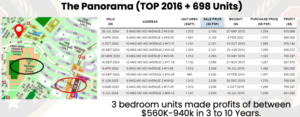
The Panorama

Grandeur 8

16.0%

3.6%

Bartley, 2015

Botanique at Bartley

Bartley Residences

20.5%

11.3%

Upper Serangoon, 2015

Kingsford Waterbay

Rio Vista

14.2%

6.0%

Upper Serangoon, 2015

Kingsford Waterbay

The Florida

14.2%

5.1%

Sengkang, 2015

High Park Residences

Compass Heights

26.6%

5.3%

Kovan, 2015

Kingsford Waterbay

Kovan Melody

14.2%

9.2%

Kovan, 2016

Stars of Kovan

Kovan Residences

14.9%

10.3%

Clementi, 2017

Clement Canopy

The Queens

16.1%

6.6%

Tiong Bahru, 2018

Highline Residences

The Regency

30.63%

12.02%

Every single pairing tells the same story. The new launch outperformed its matched resale comparison, usually by a factor of two to three times, sometimes more.

What Made These Comparisons Fair

To keep this a genuine apples-to-apples test rather than cherry-picked outliers, SG Luxury Condo selected each pairing using consistent criteria: the two properties sit close to each other geographically, so location quality is roughly held constant, and the comparison spans a similar multi-year holding period, so short-term market noise doesn’t skew the result.

A few of the pairings specifically isolate individual variables worth calling out:

  • Bishan 8 sat directly next to Bishan MRT, while Sky Vue was further away, yet Sky Vue still delivered more than three times the return. This suggests MRT proximity alone doesn’t determine outperformance.
  • The Queens sat closer to the city centre than Clement Canopy, yet Clement Canopy still won decisively on return, suggesting distance to the CBD isn’t the deciding factor either.
  • Kovan Melody sat right beside the MRT station, while Kingsford Waterbay had no nearby MRT at all, and Kingsford Waterbay still posted the stronger return.

So What Actually Drives the Difference?

Based on this data, the single factor that mattered consistently was the age and remaining lease of the property. A new launch bought with a fresh 99-year lease, or a freehold title in some cases, simply has more runway ahead of it than a resale unit that may already be 10, 20, or 30 years into its lease term.

There’s also a structural, valuation-driven reason new launches tend to outperform. Developers can effectively influence how a bank values a new launch unit, since there’s limited comparable transaction history to argue against at the point of sale. Resale properties, by contrast, always have to match an independent bank valuation based on recent comparable transactions nearby, which naturally caps how aggressively prices can move in the short term.

One more consistent pattern worth knowing: property prices in an area tend to keep climbing until a new development launches nearby. Once that happens, prices in the older surrounding stock tend to stagnate, as buyer attention and capital shift toward the newer, fresher supply.

Who Should Actually Buy Resale Instead?

None of this means resale is a bad choice, it simply serves a different buyer profile. Resale properties tend to make more sense for:

  • Buyers who need to move in immediately and can’t wait two to four years for a Building Under Construction project to complete
  • Buyers who can’t afford ABSD upfront and haven’t sold their existing property yet, since resale purchases don’t require the same upfront cash commitment a second-property new launch purchase does
  • Buyers prioritising immediate rental income over long-term capital appreciation, since a resale unit can start generating rent from day one
  • Buyers who haven’t run the numbers and simply default to what feels like the safer, more familiar option without comparing the actual return data

Is It Worth Renting While You Wait for a New Launch?

This is the practical question that trips up a lot of buyers who can’t buy first and sell later. Say you’re deciding between a $1,000,000 resale unit you can move into immediately, versus a similarly priced new launch you’ll need to wait for.

If you rent a four-room HDB flat at roughly $2,500 a month while your new launch is under construction, that rental cost adds up, but it’s worth weighing against the full cost picture. Once you factor in mortgage interest, property tax, and maintenance across both scenarios, along with renovation costs (typically higher for a resale unit needing updates versus a brand-new unit), the total cost of ownership across the waiting period can actually work out lower for the new launch route in many cases, even after paying rent the whole time.

The honest takeaway: don’t assume buying resale is automatically the “cheaper” or “safer” path just because it avoids a rental gap. Run the actual total cost comparison, including the return data above, before deciding.

The 2025-2026 Market Context

This pattern hasn’t faded with time either. Developer sales in Singapore hit 10,815 new units in 2025, a 67% jump year-on-year, the strongest primary market showing in years, even as overall transaction volumes cooled somewhat into early 2026. That continued strength in new launch demand suggests buyers are still voting with their wallets for fresher stock over older resale alternatives, consistent with what this case study data has shown since 2013.

If you want to understand the mechanics behind why developers can sustain this kind of pricing power, our companion piece on why new launch condos beat resale for upgraders goes deeper into the upgrader-specific angle, while our breakdown of developer pricing strategy explains the valuation mechanics in more technical detail.

The Bottom Line

If there’s one thing to take away from comparing new launch vs resale performance across nine real Singapore case studies, it’s this: the age and lease profile of a property matters far more than its distance to an MRT station or the city centre. New launches have consistently delivered double-digit returns, often two to three times what comparable resale properties nearby achieved over the same period.

That said, resale still has a real place for buyers who need immediate housing, can’t afford ABSD upfront, or are prioritising rental income over capital growth. If you’re weighing this decision for your own situation, our ABSD guide and mortgage affordability calculator are worth checking before you commit either way.

A Word From SG Luxury Condo

Every buyer’s situation is different, and this data isn’t a guarantee that any specific new launch will outperform any specific resale unit. But the consistency across nine independent pairings, spanning different districts, different MRT distances, and different years, is hard to ignore. If you’re weighing a new launch against a resale option in the same area, SG Luxury Condo is happy to run the actual comparable data for you before you decide. Our property consultation sessions cover exactly this kind of side-by-side analysis, and you’re welcome to browse our full range of luxury condos for sale in Singapore if you’re ready to start comparing options.

Advanced Heading

Frequently Asked Questions

Does distance to an MRT station matter more for new launch or resale properties?

Based on this data, MRT distance didn’t reliably determine which property performed better in either category. Sky Vue outperformed Bishan 8 despite being further from the MRT, and Kingsford Waterbay outperformed Kovan Melody despite having no nearby MRT station at all.

The main driver appears to be the age and remaining lease of the property. Newer developments have a longer runway ahead of them, and banks have more flexibility valuing new launches due to limited comparable transaction history, compared to resale units which must match strict independent valuations.

Yes, particularly for buyers who need to move in immediately, can’t afford ABSD upfront on a second property, or are prioritising immediate rental income over long-term capital appreciation.

Not reliably, based on this data. Clement Canopy, further from the city centre than The Queens, still posted a stronger return, suggesting proximity to the CBD isn’t the deciding factor either.

Not necessarily. Once mortgage interest, property tax, maintenance, and renovation costs are factored in across the full holding period, the total cost of the new launch route, even including rent paid while waiting, can work out lower than buying resale in many cases.

Typically two to four years from purchase to Temporary Occupation Permit (TOP), depending on the project’s construction timeline and any delays.

Yes, CPF can be used for new launch purchases, following the progressive payment schedule tied to construction milestones, similar to how it applies to resale purchases, though the payment structure and timing differ.

Buyer attention and capital tend to shift toward the newer, fresher supply once it becomes available, which naturally slows demand and price growth for the older surrounding resale stock in the same area.

The underlying demand pattern appears consistent. Developer sales hit 10,815 units in 2025, a 67% year-on-year jump, suggesting continued strong buyer preference for new launch stock even as broader transaction volumes cooled into early 2026.

Not automatically. This data shows a strong historical pattern, but individual project quality, specific location factors, and your own timeline and cash flow needs still matter enormously. Use this as one input among several, not a blanket rule for every purchase decision.

Importance of Location Layout When Buying a Condo in Singapore
Categoriesarticles

The Importance of Location Layout When Buying a Condo in Singapore

Ask anyone who’s bought and sold a few properties in Singapore what they’d do differently, and most of them land on the same answer. They wish they’d paid more attention to the importance of location layout before they got swept up in a nice showflat or a flashy facade. It’s an easy trap. A unit can look stunning on the day you view it and still turn out to be a headache five years later, either because the location doesn’t hold its value the way you assumed, or because the layout wastes half the space you paid for.

At SG Luxury Condo, this is genuinely one of the first things we sit down and go through with clients, before pricing, before facilities, before any of the shiny stuff. Get the importance of location layout right and almost everything else about the purchase gets easier to judge.

What People Usually Get Wrong About Location Layout

Most first-time buyers treat location and layout as two separate boxes to tick. Good area, check. Nice floor plan, check. Done. But the importance of location layout only really shows up when you look at both together. A three-bedroom unit with a genuinely efficient layout in a mediocre location might still underperform a smaller, slightly pricier unit in a location with real long-term demand behind it. And the reverse is just as true. A dream location with a badly designed unit, awkward bedroom shapes, wasted corridor, a kitchen that eats into the living room, can leave you sitting on a property that’s genuinely hard to sell, even in a good district.

Location Factor 1: School Proximity

For a lot of families, this is the single biggest driver behind the importance of location layout in their decision. Properties within about 1km to 2km of a well-regarded primary school tend to hold a steady premium, and just as importantly, they tend to sell faster than similar units further away, since there’s always a fresh wave of parents hunting for that specific catchment area every year.

Location Factor 2: MRT Proximity

This one barely needs explaining these days, everyone knows MRT access matters. What people miss is the timing of it. Buying right after a new line gets announced, or during the noisy construction phase, usually captures more upside than waiting until the station has already opened and the premium’s already baked into the price. We’ve gone deep into this exact pattern in our guide on how MRT stations affect property prices, worth a read if MRT access is a big part of your decision.

Location Factor 3: Developer Track Record

The name behind the project says more than people give it credit for, and it’s a piece of the importance of location layout that’s easy to overlook. A developer with a strong history tends to deliver better build quality, smarter use of space, and property management that actually keeps the estate looking good ten or fifteen years down the road. That last part matters more than most buyers realize, a poorly managed estate can drag down even a good location over time.

Developer

Generally Known For

CDL

Practical, efficient layouts and strong estate management

UOL

Premium finishes, more generous common facilities

GuocoLand

Large-scale, transformative projects that lift the whole precinct

Layout Factor 1: Usable Space vs Quoted Floor Area

Here’s where the importance of location layout tips more toward the “layout” half. Two units advertised at the exact same square footage can feel completely different once you actually walk them. One might dedicate a chunk of that footage to corridor, bay window, or void space you genuinely can’t use day to day. The other might use nearly all of it. This is exactly why comparing psf alone is a mistake, you need to compare usable space. Our detailed breakdown on how to read a floor plan walks you through spotting this before you even book a viewing.

Layout Factor 2: Orientation and Sun Path

Layout isn’t only about the floor plan on paper, and this is another part of the importance of location layout that’s easy to skip past. Which way a unit faces changes how it feels every single afternoon. North-south facing units generally dodge the harshest sun Singapore throws at east-west facing ones. It’s a small thing on a spec sheet and a genuinely big thing once you’re living with it.

Layout Factor 3: Bedroom and Living Space Proportions

A well laid out unit puts bedrooms where they should be, quiet corners, away from the main traffic path, with a living and dining area that doesn’t feel like a hallway you’re forced to walk through to get anywhere. This is one of the quieter pieces of the importance of location layout equation, since it rarely shows up in a listing photo. Cheaper-feeling layouts often compress the living room to squeeze in an extra bedroom, which looks good on a floor plan listing but feels cramped the moment you move in furniture.

Combining the Two: A Simple Way to Score a Shortlist

When we’re helping a client weigh a shortlist, we don’t treat location and layout as separate scores. We look at them together, because the importance of location layout really is about how they interact.


Strong Location

Weak Location

Strong Layout

Ideal, worth paying up for

Still workable, good for owner-occupiers

Weak Layout

Risky, resale may struggle despite the address

Avoid unless the price reflects both weaknesses

Location Layout and Resale Value

This is really the whole point of paying attention to any of this. Buyers ten years from now will judge your unit on the exact same two factors you should be judging it on today. A good location with a poor layout still sells, just slower and at a discount against comparable units nearby with better space planning. A poor location with a great layout tends to hit a ceiling on price no matter how clever the design is. The importance of location layout, when you’re thinking years ahead rather than just today, is really a resale conversation in disguise.

Price: The Factor That Ties Everything Together

None of this means chase the priciest option available. It means don’t let price alone decide for you, since price without context tells you nothing about the importance of location layout underneath it. A cheaper unit that skimps on layout efficiency or sits in a location with no real growth story isn’t automatically a bargain. Our piece on undervalued versus profitable properties goes further into telling a genuine deal apart from a property that’s just cheap for a reason.

Layout Factor 4: Facilities and Estate Upkeep

This one gets overlooked a lot, mostly because it’s not really about your unit at all, it’s about everything around it. A gorgeous unit inside a poorly maintained estate still drags on resale value, and it’s worth checking a few things before you commit.

  • How the pool, gym, and function rooms actually look on a weekday, not just during a staged viewing
  • Whether the lift lobbies and corridors feel cared for, chipped paint and grimy carpets are a quiet red flag
  • How many facilities the development actually has versus how crowded they get, more isn’t always better if everyone’s fighting for one BBQ pit
  • Whether the management corporation has a healthy sinking fund, ask for the latest AGM minutes if you can
  • How landscaping and common areas have aged since the development’s TOP, older estates with neglected greenery tend to feel tired fast

Layout Factor 5: Noise, Privacy, and Unit Placement

Two units on the same floor plan can live completely different lives depending on where they sit within the block. This part rarely gets discussed, but it shapes daily comfort just as much as square footage does.

  • Corner units usually get better cross-ventilation and more natural light, but sometimes at the cost of extra sun exposure on two sides instead of one
  • Units directly above a function room, gym, or driveway tend to pick up more noise than a unit tucked away on a quieter stack
  • Ground floor and low-floor units near the main entrance or drop-off point often deal with more foot traffic and less privacy
  • Units facing directly into another block’s windows lose a layer of privacy that a floor plan alone won’t show you
  • Lift lobby distance matters too, too close and you’ll hear every ping, too far and you’re doing a longer walk every single day

A Word From SG Luxury Condo

We’ve sat with enough clients staring at a beautiful showflat to know how easy it is to forget the fundamentals underneath the staging. A dramatic ceiling or a nicely dressed model unit doesn’t tell you whether the real layout works, and a good postcode doesn’t guarantee the unit inside will hold its value. Weighing the importance of location layout properly, together rather than separately, is genuinely one of the best habits a buyer can build.

If you’re comparing a shortlist right now and want a second opinion on how the location and layout actually stack up, SG Luxury Condo is happy to run through it with you. Our property consultation sessions cover exactly this, and you’re welcome to browse our full range of luxury condos for sale in Singapore once you’ve got a clearer picture of what you’re after.

Advanced Heading

Frequently Asked Questions

What does "importance of location layout" actually mean when buying property?

It’s about weighing where a property sits, schools, MRT access, developer reputation, alongside how well the unit itself is designed, usable space, orientation, room proportions, rather than judging either one in isolation.

Neither wins outright. A great location can’t fix a badly designed unit, and a great layout won’t save a location nobody wants to be in years from now. The strongest purchases score well on both.

Properties within roughly 400m tend to hold the strongest, most durable premium. That effect fades noticeably past 800m.

Yes, properties near well-regarded schools tend to hold value and sell faster, since there’s a steady pool of family buyers hunting that specific catchment every year.

Check the Sale and Purchase Agreement or Subsidiary Strata Certificate of Title, both break down how much of the total is void, ledge, or bay window versus genuinely usable space.

More than people expect. Reputable developers tend to deliver better layouts, sturdier build quality, and estate management that keeps the property looking good for years, all of which protect resale value.

Orientation affects daily comfort directly, how hot the unit gets in the afternoon, how much natural light you get. A great layout facing the wrong way still isn’t comfortable to live in.

Not necessarily. If the layout wastes a lot of the quoted space, or the price doesn’t actually reflect that inefficiency, it’s not really a bargain, it’s just cheap for a reason.

It helps for owner-occupiers, but it usually won’t push resale value or capital growth as far as a strong location would. It’s a workable compromise, not an equal trade-off.

Getting distracted by showflat staging and finishes instead of checking the actual floor plan and location fundamentals underneath. Staging can hide a mediocre layout far more easily than people expect.

How to Upgrade to a New Launch Condo
Categoriesarticles

How to Upgrade to a New Launch Condo: 4 Proven Options for Homeowners (2026 Update)

TL;DR: There are four main ways to upgrade to a new launch condo in Singapore while you still own your current home: pay ABSD upfront and claim remission later, decouple ownership between spouses, sell first then buy, or purchase under a trust. Each comes with a different cash outlay, loan eligibility, and timeline. Executive Condominiums are a special case for HDB upgraders, since no ABSD applies at all. The right choice depends mainly on how much cash you have on hand and how much risk you’re comfortable carrying during the transition.

“We love the new launch, but we still own our current place. How do we actually make this work?” That’s probably the single most common question we field at SG Luxury Condo from homeowners looking to upgrade to a new launch condo, whether they’re moving up from an HDB flat or trading in an older resale unit.

The good news is there’s no single “right” way to do this. There are four genuinely different paths, each suited to a different financial situation and risk appetite. SG Luxury Condo is updating this guide with the current 2026 figures, since a couple of the numbers in our original piece needed a refresh.

Option A: Buy First, Pay ABSD, Then Claim Remission

This is the most common path for homeowners who don’t want the hassle of moving out before their new unit is ready.

How it works: You purchase the new launch condo while still owning your current home. You pay the Additional Buyer’s Stamp Duty upfront, which currently sits at 20% for Singapore Citizens buying a second property, or 30% for a third and beyond. Once your new condo obtains TOP and you sell your existing home within the required timeframe, you can apply to IRAS for ABSD remission.


Details

Upfront ABSD (SC, 2nd property)

20%

Upfront ABSD (SC, 3rd property)

30%

LTV if taking a second mortgage

45%

Remission window

Sell existing home within the stipulated period after TOP

Pros: You stay in your current home right up until the new condo is ready, giving you far more breathing room for renovations and planning your move. You also keep full flexibility on when and how you market your old home for sale.

Cons: You need substantial cash on hand for that 20% to 30% ABSD upfront. And if you’re taking a second mortgage on top of your existing one, your Loan-to-Value ratio drops to 45%, a meaningful cut from the 75% you’d get on a first property loan.

Special case for EC buyers: If you’re upgrading from an HDB flat to an Executive Condominium, this option gets considerably easier. No ABSD is required at all, you’re allowed to defer payments, and since you’re required to sell your HDB eventually anyway, you avoid the double mortgage problem entirely. This is exactly why ECs remain one of the most popular upgrade paths for HDB families.

Option B: Decoupling, Restructuring Ownership Between Spouses

How it works: One spouse sells their share of the existing property to the other, typically through a part-sale transaction. The spouse who sold out becomes, on paper, a first-time buyer again, and can purchase the new condo ABSD-free.

Pros: You retain your current home as a genuine second property in the household’s portfolio. The cash proceeds from the internal sale can help fund part of the new purchase, and there’s flexibility to restructure ownership or refinance down the line.

Cons: The new condo must be purchased under a single name, so only one spouse can take out the loan, which limits your combined loan eligibility. You also can’t tap your spouse’s CPF for the new purchase. And importantly, decoupling isn’t available for HDB flats at all, this strategy only works for private property owners.

This route has become common among private property owners specifically looking to hold multiple properties without triggering ABSD on the new purchase. Our decoupling calculator walks through the actual numbers and cash flow implications in more detail if you’re considering this path.

Option C: Sell First, Then Buy

How it works: You sell your current property before committing to the new launch. Once your buyer exercises the Option to Purchase, you’re officially off the title, at which point you’re free to buy the new condo without any ABSD exposure.

Pros: No ABSD, since you’re no longer a property owner at the point of purchase. You can also max out your bank loan eligibility on the new condo, since it counts as a first property loan again. Your CPF funds get refunded from the sale and become available to use on your next purchase.

Cons: You’ll need temporary accommodation, whether that’s renting or staying with family, for the gap between selling and moving into your new home. Timing also matters enormously here.

A word of caution on timing: Always wait for your buyer to actually exercise the Option to Purchase before committing to your new condo. If your HDB buyer backs out before exercising, your maximum loss is capped at 1% of the option fee. But if you back out of a new condo purchase after signing, your loss could run to 1.25% of the full purchase price, a far more significant financial hit given typical new launch prices.

Option D: Buy Under Trust, For Multiple Property Owners

How it works: You purchase the new condo under a trust structure, typically for your child. Since the child is treated as a first-time buyer under the trust, the purchase can avoid the ABSD rate that would otherwise apply to you as an existing multiple-property owner.

Pros: No standard ABSD tier applies to your own profile under this structure. You retain your existing properties while adding another to the family’s holdings, making it a genuine long-term portfolio-building tool for families with the means to do so.

Cons: This route requires a full cash purchase, no mortgage financing is allowed under a trust structure. The property also legally belongs to your child, not you, which is a meaningful legal and practical consideration. And the upfront cost is steep: ABSD on trust purchases currently sits at a flat 65%, non-remittable, regardless of the beneficiary’s age or relationship to the settlor.

This route really only makes sense for high-net-worth families with multiple properties already, looking to expand their holdings without touching their own ABSD tier. If you’re considering this, our detailed guide on buying property under trust in Singapore covers the legal mechanics and remission conditions in far more depth.

Comparing All Four Options at a Glance

Option

Upfront ABSD

Financing Allowed

Best Suited For

A: Buy First, Claim Remission

20-30% (0% for EC)

Yes, up to 45% LTV on 2nd loan

Homeowners wanting a smooth, no-rush transition

B: Decoupling

0% for the buying spouse

Yes, single name only

Private property owners keeping two properties

C: Sell First, Then Buy

0%

Yes, full 75% LTV as a first loan again

Homeowners comfortable with temporary housing

D: Buy Under Trust

65% flat, non-remittable

No, cash purchase only

High-net-worth families expanding a portfolio

Choosing the Right Path to Upgrade to a New Launch Condo

Each of these four strategies to upgrade to a new launch condo comes with its own trade-offs, and SG Luxury Condo always walks clients through a few honest questions before recommending one:

  • What’s your current property type, HDB flat or private condo, since this rules certain options in or out from the start
  • How much cash do you genuinely have on hand for an ABSD payment, if one applies to your chosen path
  • What’s your loan eligibility looking like, and would a reduced LTV on a second mortgage still work for your budget
  • How much disruption can your family comfortably handle, is temporary housing genuinely an option for you
  • What’s your longer-term goal, are you upgrading purely for lifestyle, or building toward a multi-property portfolio

Before committing to any of these paths, it’s worth running your numbers through our mortgage affordability calculator to confirm your loan eligibility under the reduced LTV a second property purchase would trigger, and our ABSD rates calculator to confirm exactly how much you’d owe under your specific buyer profile before choosing a strategy.

A Word From SG Luxury Condo

We’ve walked hundreds of homeowners through this exact decision, and there’s genuinely no universal right answer. The families who end up happiest are the ones who picked the path that matched their actual cash position and risk tolerance, not the one that sounded cleverest on paper.

If you’re weighing which of these four options makes sense for your specific situation, SG Luxury Condo is happy to run through the numbers with you before you commit to anything. Our property consultation sessions cover exactly this kind of upgrade planning, and you’re welcome to browse our full range of luxury condos for sale in Singapore once you’ve settled on the right approach for your move.

Advanced Heading

Frequently Asked Questions

What's the easiest way to upgrade to a new launch condo without paying ABSD?

Selling your current property first, then buying, is the most straightforward ABSD-free route, since you’re no longer classified as a property owner at the point of purchase. The trade-off is needing temporary accommodation during the gap.

No. ECs bought directly from a developer are exempt from ABSD entirely, and you’re allowed to defer payment, which is exactly why this remains one of the most popular upgrade paths for HDB families.

It drops to 45% for a second outstanding home loan, down from 75% on a first property loan. This means you’ll need a significantly larger cash or CPF downpayment to bridge the gap.

No, decoupling is only available for private property owners. HDB flat owners cannot use this strategy and would need to consider one of the other three options instead.

If your HDB buyer backs out before exercising the Option to Purchase, your maximum loss is capped at 1% of the option fee. If you back out of your new condo purchase after signing, your loss could reach 1.25% of the full purchase price, which is why timing the sale before committing to a purchase matters so much.

No, trust purchases require a full cash payment. No mortgage financing or CPF usage is permitted under this structure, which is why it’s generally only suitable for high-net-worth families with significant liquid assets.

The 65% flat rate on trust purchases was introduced specifically to close a planning loophole where property was being placed in trust for minor children to reset the family’s effective property count. It applies regardless of the beneficiary’s age or relationship to the buyer.

The remission window is tied to specific conditions set by IRAS, generally requiring the sale to complete within a stipulated period after your new condo achieves TOP. It’s worth confirming the exact current timeline with IRAS or your conveyancing lawyer before relying on this path.

Not really. It’s specifically suited to high-net-worth families already holding multiple properties who want to expand their portfolio without affecting their own ABSD tier. For most homeowners upgrading their primary residence, one of the other three options is a better fit.

Selling first, then buying, generally maximises your loan eligibility, since your new purchase counts as a first property loan again, giving you access to the full 75% Loan-to-Value ratio rather than the reduced 45% you’d face on a second outstanding loan.

Freehold vs Mixed Development in Singapore
Categoriesarticles

Freehold vs Mixed Development in Singapore: Which Is the Smarter Buy? (2026 Update)

TL;DR: Comparing four real freehold vs mixed development pairings across Beach Road, Redhill, Potong Pasir, and Hillview, freehold properties posted stronger long-term annual price growth in three out of four cases, sometimes dramatically so. But mixed developments consistently saw far higher transaction volumes, meaning better liquidity if you need to sell quickly. Broader 2026 market data adds an important twist: the average freehold premium across Singapore has shrunk to just 4.7%, down sharply from 20% in 2013, and well-connected leasehold developments near MRT stations increasingly outperform quieter freehold properties. Location and connectivity now matter more than tenure alone

“Should I go freehold, or would a mixed development actually serve me better?” We get this question constantly at SG Luxury Condo, and it’s a genuinely harder call than most people expect. It’s not simply freehold good, leasehold bad. The real answer depends on your holding period, your entry price, and honestly, how much you value convenience over land ownership.

This is an update to our original freehold vs mixed development study. We’re keeping the four real case studies that made the original piece useful, but adding fresh context, because the broader market picture has actually shifted since SG Luxury Condo first ran these numbers.

Freehold vs Mixed Development: The Basic Difference

A freehold condominium means you own both the unit and the land it sits on, indefinitely, with no expiry date. It passes to your heirs, or whoever you name in your will, without any lease countdown running in the background.

A mixed development, almost always built on 99-year leasehold land, bundles residential units together with commercial elements, malls, F&B outlets, offices, sometimes even a bus interchange. These projects are usually built directly above or beside an MRT station, which is exactly why they command such strong day-to-day convenience.

Four Real Case Studies: Freehold vs Mixed Development Head to Head

To keep this comparison fair, we picked four location-matched pairs: a mixed development and a nearby freehold development, similar in size, age, and unit count, so tenure was really the main variable at play.

Beach Road: City Gate vs Kallang Riverside

Beach-Road-Freehold-vs-Mixed-developmentCity Gate, a mixed development with direct access to Nicoll Highway MRT and a retail mall downstairs, went up against Kallang Riverside, a freehold project nearby.

city-gate-Kallang-Riverside


City Gate (Mixed Development)

Kallang Riverside (Freehold)

2014 Price

$1,845 psf

$2,129 psf

2022 Price

$1,971 psf

$2,323 psf

Annual Growth Rate

7%

9%

2-Year Transaction Volume

19

5

Redhill: Artra vs One Jervois

Redhill

Artra, a newer 99-year leasehold mixed development, went up against One Jervois, a freehold project in the same neighbourhood.

Artra-One-Jervois


Artra (Mixed Development)

One Jervois (Freehold)

2017 Price

$1,653 psf

$1,525 psf

2022 Price

$2,013 psf

$2,014 psf

Annual Growth Rate

3%

32%

2-Year Transaction Volume

12

31

One Jervois is genuinely an outlier here, and worth explaining. Its location close to the Core Central Region attracts a more affluent buyer pool, people less sensitive to entry price and more focused on status and legacy planning. That demand pushed both its growth rate and its transaction volume unusually high for a freehold property.

Potong Pasir: Poiz Residences vs Euro-Asia Park

Potong-Pasir

Poiz Residences sits right next to the MRT station and includes a mixed-use retail component. Euro-Asia Park, a freehold development, sits further away.

Euro-Asia-Park One-Jervois-


Poiz Residences (Mixed Development)

Euro-Asia Park (Freehold)

2015 Price

$1,423 psf

$1,036 psf

2022 Price

$1,770 psf

$1,456 psf

Annual Growth Rate

24%

43%

2-Year Transaction Volume

78

8

Hillview: Hillier vs Hillvista

Hillview

Hillier sits closer to the MRT and is a mixed development, while Hillvista, a freehold project, sits further away.

HillierHillvista


Hillier (Mixed Development)

Hillvista (Freehold)

2012 Price

$1,483 psf

$1,263 psf

2022 Price

$1,462 psf

$1,368 psf

Annual Growth Rate

-1%

8%

2-Year Transaction Volume

56

20

Notably, Hillier actually lost value over that decade, while the freehold Hillvista, further from the MRT, still posted solid growth.

What the Four Case Studies Tell Us

Line all four up together and a few patterns become clear.


Beach Road

Redhill

Potong Pasir

Hillview

Mixed Development Growth

7%

3%

24%

-1%

Freehold Growth

9%

32%

43%

8%

Mixed Development Volume

19

12

78

56

Freehold Volume

5

31

8

20

  • Freehold developments outperformed on price growth in three of the four pairings, and by a wide margin in Redhill and Potong Pasir specifically
  • Mixed developments consistently traded more often, meaning easier resale and better liquidity if you need to exit quickly
  • The longer the holding period, the wider the gap tends to grow between freehold and leasehold pricing, based on this data
  • MRT distance didn’t determine the outcome in these four cases. Freehold properties further from the station still often posted lower entry prices and stronger percentage growth from that lower base

The 2026 Update: Why This Is Getting More Nuanced

Here’s where we need to update our original conclusion. Broader market data from 2026 tells a more complicated story than these four case studies alone suggest. Across the market as a whole, the freehold premium, meaning how much extra buyers pay for freehold tenure compared to a similar leasehold unit, has shrunk to just 4.7%, down sharply from around 20% back in 2013.

That’s a meaningful shift. It suggests the broad, structural advantage freehold once carried has been narrowing for years, even as individual pairings like One Jervois or Euro-Asia Park still show freehold winning decisively on their own merits. Increasingly, well-connected leasehold developments near MRT stations or integrated with malls and offices are matching or even beating quieter freehold properties on long-term returns, simply because connectivity and daily convenience now weigh more heavily on buyer demand than tenure alone.

The honest takeaway is this: freehold vs mixed development isn’t a rule that applies uniformly across Singapore. Location and connectivity are doing more of the heavy lifting than they used to, and treating “freehold always wins long term” as a blanket rule risks missing genuinely strong leasehold opportunities in the process, which is exactly why SG Luxury Condo runs case-by-case comparisons rather than leaning on a single rule of thumb.

Freehold or Mixed Development, Which Should You Choose?

Our general take is this: if you’re working with a shorter horizon, comfortable exiting within five to seven years, a mixed development’s stronger liquidity and rental demand usually serves you better. If you’re planning to hold for twelve years or more, and you’re not overly reliant on being able to sell quickly, freehold has historically delivered the stronger long-term price growth, at least based on these case studies and the broader premium data.

But don’t stop at that generic answer. A few honest questions are worth asking yourself before deciding:

  • What’s your actual entry strategy, and does the current psf gap between the freehold and leasehold option in your target area make sense?
  • If both options offered similar profit in three to five years, which genuinely suits your lifestyle better?
  • Who is your likely future buyer, and what would make them pay a premium for your unit specifically?
  • Can you comfortably afford the bank mortgage on the pricier option without stretching your finances thin?
  • Does the cost of the freehold premium actually justify the connectivity and convenience you’d be giving up?

For a deeper look at how tenure specifically, freehold versus 99-year leasehold, plays out on its own, our companion piece on freehold vs leasehold properties is worth reading next. And if MRT proximity is a major factor in your decision, our breakdown of how MRT stations affect property prices explains why that connectivity premium has grown more significant in recent years.

A Word From SG Luxury Condo

Every client’s situation is different, and the honest truth is that neither freehold nor mixed development is objectively “better” in every case. What matters is matching the choice to your actual holding period, your budget, and what you genuinely want out of the property, capital growth, rental income, or simply somewhere convenient to call home.

If you’re weighing a specific freehold and mixed development pairing and want the real numbers run for you before deciding, SG Luxury Condo is happy to walk through it. Our property consultation sessions cover exactly this kind of comparison, and our mortgage affordability calculator can help you check whether the pricier freehold option actually fits your budget before you commit. You’re also welcome to browse our full range of luxury condos for sale in Singapore if you’re ready to start shortlisting between the two.

Advanced Heading

Frequently Asked Questions

Is freehold always a better investment than a mixed development in Singapore?

Not always. Three of our four case studies showed freehold outperforming on price growth, but broader 2026 data shows the average freehold premium has shrunk significantly, and well-connected leasehold mixed developments increasingly match or beat quieter freehold properties.

Mixed developments typically sit right next to MRT stations and offer built-in retail convenience, which appeals to a wider pool of buyers and tenants. That broader appeal translates directly into more frequent transactions and easier resale.

As of 2026, the average premium buyers pay for freehold tenure over a comparable leasehold unit sits at around 4.7%, down sharply from roughly 20% in 2013.

Generally, yes. Mixed developments tend to offer stronger liquidity and more consistent transaction volume, which matters more if you need a faster, more predictable exit within a shorter holding period.

Increasingly, yes. Connectivity and daily convenience have become bigger drivers of buyer demand than tenure alone, especially for leasehold developments integrated with malls or transport hubs.

Its location close to the Core Central Region attracts a more affluent buyer pool less sensitive to entry price, more focused on status, legacy planning, and long-term capital preservation, which pushed both its price growth and transaction volume higher than a typical freehold property would see.

Often, yes. The built-in convenience of nearby retail and direct MRT access tends to appeal strongly to tenants, which can support steadier rental demand compared to a quieter freehold property further from amenities.

Based on this data, holding periods of twelve years or more tend to show the clearest freehold advantage, since the price growth gap between freehold and leasehold properties tends to widen the longer you hold.

Less commonly at scale, though it depends on the specific site’s plot ratio and age. Freehold properties, particularly older ones, are traditionally viewed as stronger en bloc candidates, though this shouldn’t be the primary reason to buy either type of property.

Consider your holding period, your entry price relative to nearby comparables, who your likely future buyer will be, whether you can comfortably afford the pricier option, and whether the tenure premium genuinely justifies what you’d be giving up in convenience or connectivity.