Buying a home is supposed to feel exciting, and it usually does, right up until the paperwork starts and the numbers get real. We’ve sat across the table from enough first-time buyers to notice the same handful of home buying mistakes Singapore buyers make, over and over, regardless of income level or how much research they think they’ve done. None of these mistakes are about being careless. They’re about not knowing what you don’t know yet.
So here’s the honest list, the actual home buying mistakes Singapore buyers regret most, not just the generic advice that gets repeated on every property blog. If you catch even two or three of these before you sign anything, you’ll likely save yourself a genuinely painful few years.
TL;DR: The most common home buying mistakes in Singapore come down to a handful of patterns: no clear goal before house-hunting starts, letting emotion override the budget, underestimating the real cost of ownership beyond the downpayment, skipping proper research on the area’s future development, not comparing loan packages, rushing (or over-hesitating) on a decision, and not having enough financial buffer to hold the property through a rough patch. Most of these are entirely avoidable with a bit of planning before you start viewing units, not after.
Mistake 1: Not Having a Clear Goal Before You Start Looking
“I want to buy a home” isn’t really a goal, it’s a feeling. A goal looks more like “I want a 3-bedroom resale condo near an MRT line, under $1.6 million, within the next 18 months.” Specific, with a number and a timeline attached.
Without that clarity, house-hunting turns into an endless scroll through listings that don’t actually fit what you need. It’s especially important if you’re buying with a partner, since “I want space for a home office” and “I want to be walking distance from my parents” can pull you toward completely different districts if you haven’t talked it through first.
Mistake 2: Letting Emotion Drive the Decision
This is probably the single most common of all the home buying mistakes Singapore buyers regret later. You walk into a unit, the lighting’s good, the staging’s beautiful, and suddenly the spreadsheet you made last week feels less important than it did an hour ago.
Falling for a property is normal. Buying it because of that feeling alone, without checking whether it still fits your budget and your actual needs, is where the regret usually starts, and it’s one of the home buying mistakes Singapore buyers mention most often when we ask what they’d do differently. The general rule worth sticking to: never decide on the spot. Sleep on it, run the numbers again the next morning with a clear head, and see if the excitement still holds up.
Mistake 3: Underestimating the Real Cost of Ownership
This one catches almost everybody, even buyers who think they’ve budgeted carefully, and it’s consistently one of the costliest home buying mistakes Singapore buyers make. Most first-timers focus on the downpayment and the monthly mortgage, and stop there. But the actual cost of buying a home in Singapore includes a lot more.
Cost Category | What It Covers |
Downpayment | Minimum 25% of purchase price (5% cash, rest cash/CPF) |
Buyer’s Stamp Duty | 1% to 6%, tiered by purchase price |
Additional Buyer’s Stamp Duty | 0% to 60%, depending on citizenship and property count |
Legal fees | Typically $2,500 to $4,000 |
Valuation report | A few hundred dollars, paid before loan approval |
Renovation | Often $30,000 to $50,000+ for resale units |
Monthly maintenance | $300 to $600+ depending on facilities |
Mortgage protection / fire insurance | Ongoing annual cost |
Leave any of these out of your planning and your “affordable” home stops feeling affordable within the first year. Our mortgage affordability calculator factors in your actual income and debt to give you a realistic number before you commit to anything.
Mistake 4: Not Doing Enough Homework on the Area
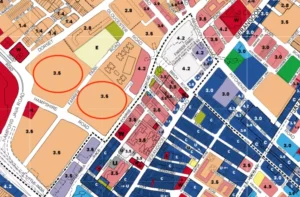
A lot of buyers research the unit itself, layout, finishes, facilities, and barely glance at what’s actually happening around it. That’s backwards. The area matters more to long-term value than the interior does.
A few things worth checking before you fall for a specific unit:
- Whether the development sits in a small, exclusive project or a large one, since this affects both pricing and how competitive resale will eventually be
- What’s currently under construction nearby, and what it’ll look like once finished
- Whether there’s vacant land close by that could be developed later, and what the URA Master Plan says about it
- How many similar developments are planned or under construction in the same district, which shapes how much competition you’ll face if you ever resell
Skipping this step is one of the quieter home buying mistakes Singapore buyers make, since it doesn’t cost you anything upfront, it just costs you later, when resale turns out harder or slower than expected.
Mistake 5: Not Comparing Loan Packages Properly
A surprising number of buyers just take whatever loan their existing bank offers, without shopping around. This is one of the home buying mistakes Singapore buyers make that’s purely about laziness rather than lack of information, the comparison tools are freely available, most people just don’t bother. Between fixed rates, floating rates pegged to SORA, different lock-in periods, and early repayment penalties, the difference between two banks’ packages can run into tens of thousands of dollars over a 25 or 30-year loan.
It’s worth applying for In-Principle Approval with two or three banks before committing, comparing not just the headline interest rate but the lock-in period and any penalty clauses buried in the fine print. HDB buyers should also genuinely weigh an HDB loan against a bank loan rather than defaulting to whichever feels more familiar, since each comes with different trade-offs around downpayment and early repayment flexibility.
Mistake 6: Moving Too Slowly, or Too Fast
There’s a real balance here, and most buyers lean too far one way or the other. Take too long deliberating on a good unit at a fair price, and someone else secures it while you’re still thinking. Move too fast on a unit you haven’t properly vetted, and you’re stuck with a decision made under pressure rather than judgment.
The fix isn’t complicated, just unglamorous: do your financial homework and area research before you start viewing seriously, so that when the right unit does show up, you can actually move on it without scrambling to catch up on due diligence at the last minute. This is genuinely the single biggest thing SG Luxury Condo helps clients get ahead of.
Mistake 7: Skipping a Proper Inspection
Whether it’s a resale unit or a completed new launch, a thorough inspection before committing protects you from inheriting someone else’s problem. Skipping this step is one of the more physically costly home buying mistakes Singapore buyers make, since defects only get more expensive to fix once you own them. Check walls, ceilings, and flooring for water damage or cracking. Test plumbing and electrical fittings. For resale units specifically, ask how old the water heater and air-con system are, since replacing either isn’t cheap.
Bringing a trusted friend, or better, an experienced agent, along for this step genuinely helps. A second set of eyes tends to catch things you’d miss while distracted by how nice the unit looks overall.
Mistake 8: Not Having Enough Holding Power
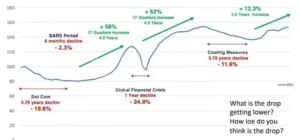
This is the mistake that doesn’t show up on day one, it shows up two or three years later, and it’s arguably the most financially damaging of all the home buying mistakes Singapore owners make. Holding power is your ability to keep a property even when money gets tight, a job loss, a medical emergency, a divorce, any of the things nobody plans for.
Property isn’t like cash sitting in a bank account. It costs you money every month you own it, mortgage, maintenance, property tax, whether the market’s doing well or not. If you’re depending entirely on rental income to cover your mortgage, and the rental market softens, you could be forced into a rushed, discounted sale rather than riding it out. Keeping a genuine buffer, ideally 6 months of expenses beyond your downpayment, protects you from being forced into decisions the market shouldn’t be making for you.
Mistake 9: Ignoring the MOP or Lease Timeline
If you’re buying an HDB flat, the Minimum Occupation Period genuinely shapes your options for years afterward, and it’s easy to overlook when you’re focused purely on move-in day. This is one of the home buying mistakes Singapore HDB buyers specifically run into, since it doesn’t come up in private property purchases at all. Check exactly how it applies to your situation before committing, since it affects when you can sell, rent out the whole flat, or buy a second property.
For any property, resale or new, also check the remaining lease carefully if it’s leasehold. A flat with 95 years left behaves very differently, both for financing and for eventual resale, than one with 65 years remaining.
Mistake 10: Not Getting a Second Opinion
It’s genuinely hard to be fully objective about a purchase this big and this emotional, which is exactly why so many home buying mistakes Singapore buyers make only become obvious in hindsight, once someone else points them out. A trusted friend, or a licensed agent who isn’t financially motivated to push you toward any specific unit, can flag things you’re too invested to notice yourself, an inflated asking price, a red flag in the surrounding development plans, or simply that you’re rushing.
A Word From SG Luxury Condo
None of these home buying mistakes are really about intelligence or effort, most buyers we meet are genuinely careful people. They’re about not knowing which questions to ask before it’s too late to ask them. That’s really the gap we try to close with every client at SG Luxury Condo, walking through the budget, the area research, and the fine print together, before any of it becomes an expensive lesson learned the hard way.
If you’re getting ready to buy and want a second, more objective set of eyes on your plan, SG Luxury Condo is happy to walk through it with you. Our property consultation sessions cover exactly this kind of groundwork, and our guide on essential real estate calculations every investor should know is worth reading once you’re ready to run the actual numbers. You’re also welcome to browse our full range of luxury condos for sale in Singapore once you’ve got your plan sorted.