TL;DR: Buying a property mainly for its en bloc potential in Singapore is a gamble dressed up as a strategy. In 2025, only two residential en bloc sales went through, Chiku Mansions and River Valley Apartments, both freehold and over 40 years old. Most attempts fail, the process can drag on for years, and you’re left holding an ageing asset with rising maintenance costs and a thinner sinking fund the whole time you wait. If the en bloc happens, great. If it doesn’t, and statistically it usually doesn’t, you’re stuck with a property that was never really the point.
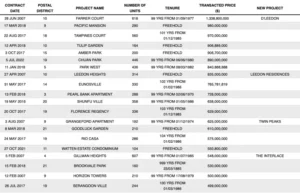
Someone will always tell you the story. A friend of a friend bought an old condo in the 2010s, barely thought about it for years, and then one day got a call saying the whole estate is going en bloc. Suddenly they’re sitting on a payout worth double what they paid. Tulip Garden’s 2018 sale is the one everyone still brings up, some owners walked away with $4.3 million to $7.6 million per unit.
Stories like that are why “en bloc potential” gets thrown around so casually by agents showing older units. But here at SG Luxury Condo, we’ve sat across the table from enough buyers who bought purely chasing that dream to know it rarely plays out the way the story goes. This is an update to our earlier piece on the topic, with the latest numbers on en bloc potential in Singapore and what’s actually changed heading into 2026.
What “En Bloc Potential” Actually Means
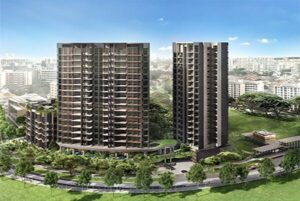
An en bloc, or collective sale, happens when the majority of owners in a condo agree to sell the whole development to one buyer, almost always a property developer. The developer tears it down and builds something new, usually with more units, thanks to unused plot ratio the old low-rise building never took advantage of.
For a sale to go through, owners need to hit a consent threshold. Right now that’s 80% for developments 10 years or older, and 90% for anything younger, measured by both strata share value and floor area at the same time. This is being reviewed in 2026, and there’s real discussion about lowering that threshold, so it’s worth keeping an eye on if you’re weighing this decision.
When agents say a unit has “en bloc potential,” they usually mean the building sits on a large freehold or 999-year leasehold plot, has a low plot ratio compared to what the URA Master Plan now allows, and is old enough that maintenance costs are starting to bite. On paper, that sounds like a smart, patient investment. In practice, it’s a lot messier.
The Real Pitfalls of Buying a Property for En Bloc Potential
Let’s go through what actually goes wrong, because the risks here are bigger than most buyers realize going in.
It Might Never Happen
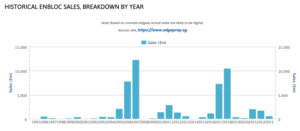
This is the big one. In the whole of 2025, only two residential en bloc sales closed in Singapore, Chiku Mansions and River Valley Apartments. Both were freehold, both over 40 years old. Out of hundreds of ageing condos across the island, two crossed the finish line. That’s the actual base rate you’re betting against, not the Tulip Garden story from 2018.
Developers now have an easier path anyway. The government has been ramping up Government Land Sales, giving developers cleaner, faster land without needing to negotiate with hundreds of individual owners. Why would a developer go through years of committee meetings and legal objections when a GLS tender gets them land in months?
The Timeline Is Brutally Long and Uncertain
Even when an en bloc does go somewhere, the process from forming a Collective Sale Committee to actual completion typically takes two to five years. The Collective Sale Agreement itself is only valid for twelve months, so if owners can’t agree on a price or find a buyer in time, the whole thing can collapse and owners have to start over from scratch.
If you’re buying with en bloc potential as your main reason, you need to be genuinely fine with your money sitting there for five, ten, even fifteen years with zero guarantee of a payout at the end.
Ageing Buildings Come With Real, Ongoing Costs
Here’s the part a lot of buyers overlook. While you’re waiting for an en bloc that may or may not happen, you’re still living in, or paying maintenance on, an ageing building. Condos over 30 years old typically need electrical rewiring, plumbing replacement, lift overhauls, and pool refurbishment, all of which cost real money.
Before buying into any older development for its en bloc potential, always ask for the MCST’s audited financial statements. A thin sinking fund means a special levy bill could land on your doorstep on top of your mortgage, regardless of whether the collective sale ever materializes.
You’re Often Paying an “En Bloc Premium” Already
The moment a development becomes known as a potential en bloc candidate, buyers start paying above its actual market value just for the hope attached to it. That premium reflects speculation, not the value of the home itself. If the en bloc falls through, and it usually does, you’ve overpaid for a unit that might now be harder to resell, since the next buyer will ask the same questions you should have.
Minority Owners Can Block or Delay the Sale
Singapore’s collective sale laws exist specifically to protect owners who don’t want to sell. Anyone who doesn’t sign the Collective Sale Agreement can object to the Strata Titles Board once the application is submitted, citing an unfair price, an inequitable distribution formula, or a lack of good faith in the process. Corporate unit owners are another wrinkle buyers rarely think about, they sometimes have different incentives than individual owner-occupiers and can slow negotiations considerably.
Higher Developer ABSD Has Cooled the Whole Market
Developer Additional Buyer’s Stamp Duty currently sits at 35%, with a conditional remission of 30% if the developer completes construction and sells every single unit within five years of the collective sale. That’s a tight, risky window, especially for large mega-sites with 800 or more units. It’s a big reason developers are now chasing smaller, boutique sites under $100 million with 50 to 100 units instead of the sprawling estates that dominated the 2017 to 2018 boom.
If your building is a large multi-block estate, this ABSD structure alone makes a successful en bloc materially less likely than it would have been a decade ago.
You Might Face Seller’s Stamp Duty If It Actually Happens Too Soon
Ironically, if the en bloc does succeed but happens shortly after you bought your unit, you could get hit with Seller’s Stamp Duty. For residential property bought on or after 4 July 2025, the SSD holding period is four years, and the rate starts at 16% if you’ve held the unit for less than a year, stepping down by four percentage points each additional year. Buy in hoping for a quick payout and you might end up handing a chunk of it straight back. We’ve broken down how stamp duty costs stack up for different buyer profiles in our guide on how to avoid overpaying on ABSD, which is worth a read alongside this one since the two costs often show up together in the same transaction.
En Bloc Success vs Failure: A Quick Snapshot
Factor | Higher Success Odds | Lower Success Odds |
Tenure | Freehold or 999-year leasehold | 99-year leasehold with long lease remaining |
Building age | 20 to 40+ years | Under 15 years |
Development size | Boutique, under 200 units | Mega estate, 800+ units |
Plot ratio | Significant uplift potential under URA Master Plan | Already built to max plot ratio |
Location | CCR or RCR, near upcoming MRT or rezoning | Suburban with limited redevelopment upside |
Owner sentiment | Aligned owner base, low maintenance fund concerns | Fragmented ownership, corporate holdouts |
Even developments that check every box on the “higher odds” side still fail more often than they succeed. That table tells you what improves your chances, not what guarantees an outcome. It’s the exact framework SG Luxury Condo uses when we’re asked to assess a specific building’s en bloc odds for a client.
So Should You Ever Buy With En Bloc Potential in Mind?
Not as your main reason, no. If you’re buying an older, well-located freehold condo because you genuinely like living there, the price is fair on its own merits, and the building is well maintained, then a possible en bloc down the road is a nice bonus you might never see. That’s a very different mindset than buying a tired 40-year-old unit purely because an agent mentioned “en bloc potential” three times during the viewing.
At SG Luxury Condo, our honest advice is this. Buy the property because it makes sense today, the location, the layout, the price per square foot compared to similar resale units nearby. Treat any future en bloc as a lottery ticket that came free with the purchase, not the reason you bought it. We’ve written a deeper breakdown of these risks, including real 2024 and 2025 case data, in our guide on the real dangers of buying an en bloc property in Singapore, worth a read if you’re seriously weighing this route.
If you’re an HDB upgrader stepping into private property for the first time, this decision matters even more, since your capital is likely more limited and less able to absorb years of uncertainty. Talking it through with a Singapore property investment advisor before you commit can save you from a decision you’re locked into for a decade. Our property agents in Singapore can also pull the actual transaction and en bloc history for any specific building you’re eyeing, rather than relying on what a listing agent tells you.
What to Check Before You Buy an Older Condo “For En Bloc Potential”
If you’re still considering it, at least go in with your eyes open. Here’s what SG Luxury Condo tells every client to actually verify before signing anything.
- Request the MCST’s latest audited financial statements and sinking fund balance
- Check the building’s plot ratio against current URA Master Plan allowances for that district
- Find out the tenure, freehold and 999-year leasehold sites are far more attractive to developers than 99-year leasehold
- Look at how fragmented ownership is, smaller unit counts generally reach consensus faster
- Ask whether any past en bloc attempts failed and why, repeat failures are a red flag, not a sign it’s “due”
- Factor in five to fifteen years of holding costs, maintenance, and opportunity cost if the sale never happens
A Word From SG Luxury Condo
We’ve walked plenty of clients through this exact decision, and the pattern is always the same. The buyers who end up happy are the ones who bought a home they actually wanted to live in or rent out, where any future en bloc potential was simply icing on the cake. The buyers who end up frustrated are the ones who bought purely on the promise of a payout that, statistically, almost never comes.
If you’re weighing an older resale unit against a newer launch and want an honest read on the numbers rather than a sales pitch, our team at SG Luxury Condo is happy to walk through it with you. You can also browse our full range of luxury condos for sale in Singapore if you’d rather skip the guesswork entirely and go with something that stands on its own value today.